Education as a Foundation for Economic Expansion
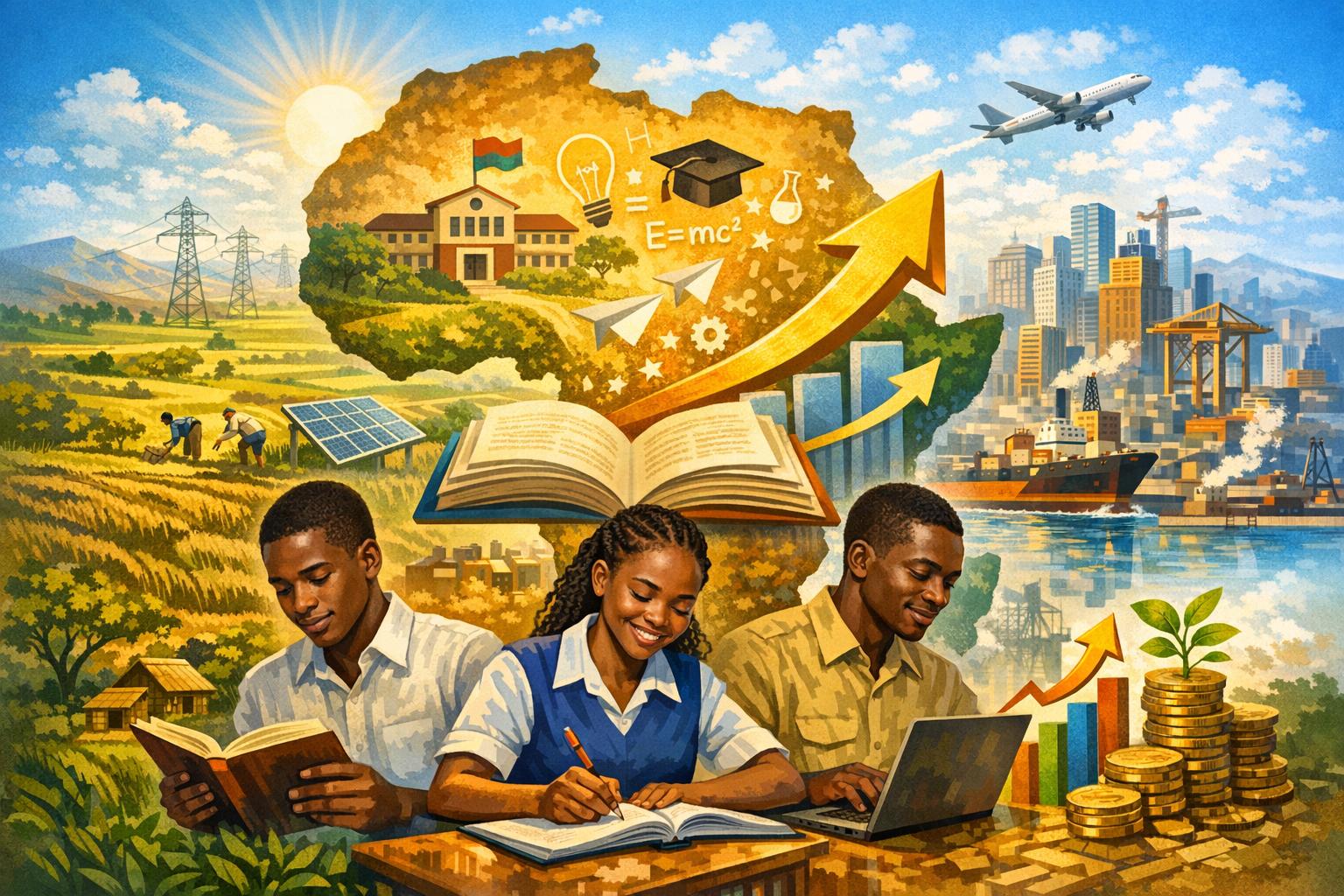
In the global context, education stands as a pivotal pillar for economic empowerment and growth. This is particularly relevant in African countries, where investments in human capital—consisting of skills, knowledge, and health accumulated by individuals—directly bolster productivity and innovation. According to data from the World Bank, nations with higher levels of educational attainment consistently experience stronger and more stable economic growth over time. Africa, with one of the highest demographic growth rates globally, finds that its education systems are crucial in determining how effectively its burgeoning population can engage in the labor market.
Primary education creates the foundation of literacy and numeracy essential for participating in modern economies. As education progresses to secondary and tertiary levels, individuals acquire increasingly specialized skills. Effective education systems produce a workforce capable of contributing to high-value economic activities, moving beyond low-productivity sectors.
Human Capital and Productivity
The link between economic growth and improved worker productivity is well-established. Educational experiences enhance cognitive skills, technical knowledge, and problem-solving abilities. The UNESCO Institute for Statistics highlights that each year of additional schooling can elevate an individual’s earnings, incrementally contributing to national income.
In numerous African economies, agriculture remains a major employer. Through basic education, agricultural efficiency benefits from a better understanding of modern farming techniques, sound financial management, and improved access to market information. In urban contexts, skilled workers are indispensable for the development of sectors like manufacturing and services, including telecommunications, finance, and information technology.
Countries such as Rwanda and Ghana have made concerted efforts to expand basic education access over the past two decades. This expansion has been mirrored by growth in service sectors and diversification of economic activity. While various factors influence economic outcomes, education invariably serves as a consistent growth catalyst.
Education and Innovation Capacity
Long-term economic advancement relies not just on productivity, but also on a nation’s capacity to innovate. Institutions such as universities and research centers are integral in generating new knowledge, supporting entrepreneurship, and contributing to technological adaptation. Investment in higher education bolsters research capabilities and supports emerging industries.
The rise of Africa’s digital economy exemplifies this relationship. Enhanced access to technical education and increased enrollment in STEM programs have fueled this growth. According to the African Development Bank, digital transformation holds the potential for significant GDP growth across the continent, contingent on supportive education and infrastructure.
Despite these opportunities, challenges persist in research funding and institutional capacity. Many African universities encounter constraints in laboratory facilities, faculty retention, and international collaborations. Addressing these issues can fortify the link between advanced education and technological progress.
Challenges in Education Systems
While school enrollment rates have improved, disparities in educational quality exist. Overcrowded classrooms, teacher shortages, and limited learning resources pose significant barriers in several countries. Thus, enhancing enrollment without boosting quality may curtail potential economic benefits.
Discrepancies also manifest between urban and rural areas and among genders. Although significant strides have been made in girls’ enrollment, secondary and tertiary retention remains uneven. Closing these gaps can enhance overall labor force participation and increase the pool of skilled workers.
An additional critical issue is aligning education systems with labor market demands. Graduates may encounter unemployment or underemployment if educational curricula fail to reflect market needs. Strengthening collaborations between educational institutions and private sector employers can improve skill matching and workforce preparedness.
Demographics and the Potential Dividend
Projected population growth in Africa presents both opportunities and risks. If education systems can expand access and improve quality, nations might experience a demographic dividend—a situation where a larger proportion of the population participates productively in the economy.
However, without adequate investment in education and job creation, rapid population growth might strain public finances and labor markets. Consequently, policymakers view educational investment as a strategic economic initiative rather than merely a social service.
Policy Implications
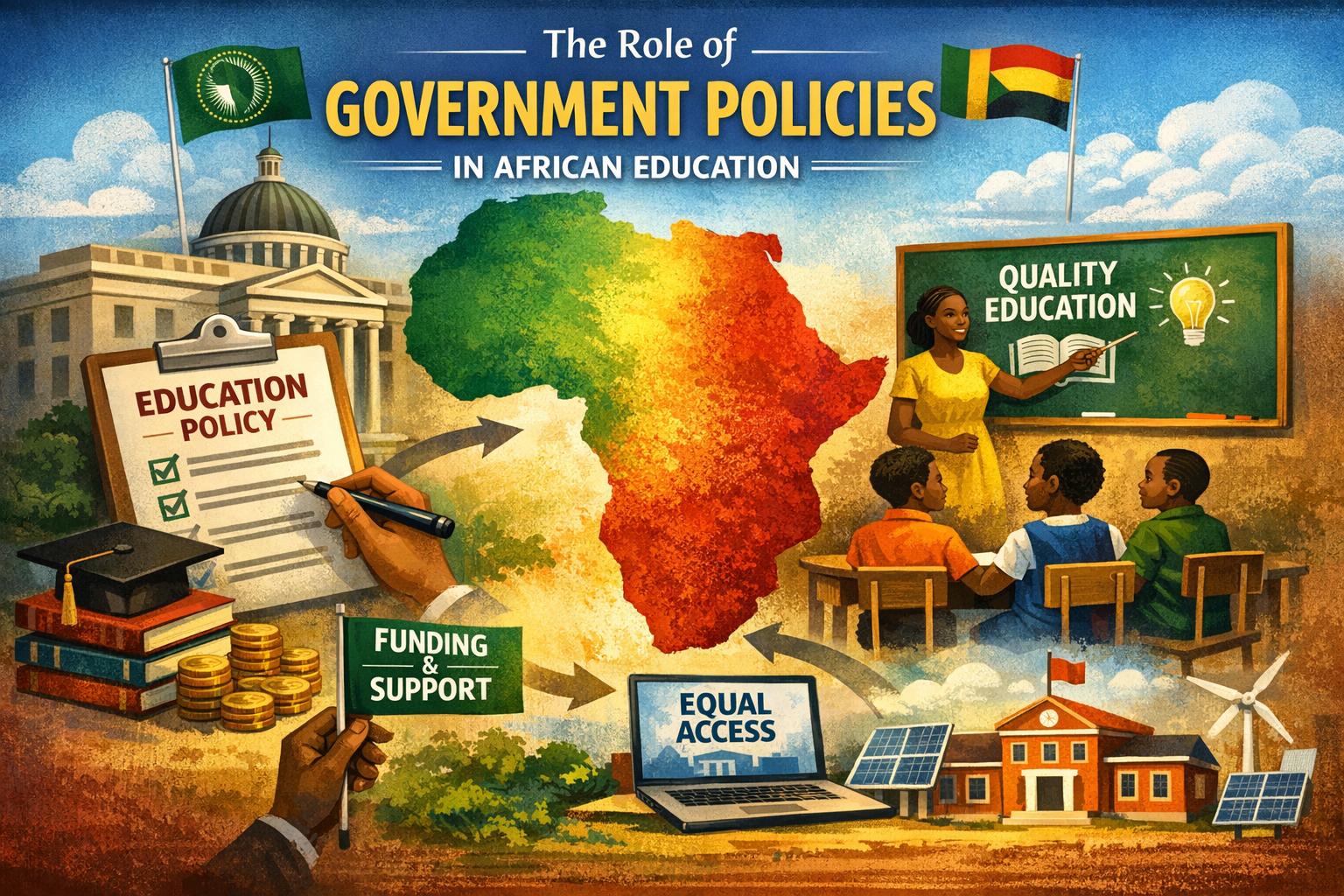
Evidence underscores that sustained public investment in education, paired with quality-enhancing reforms, supports economic growth. Efficient budget allocation, teacher training programs, curriculum modernization, and digital learning tool integration are strategies being employed across various African nations.
International collaborations play a complementary role, particularly in financing infrastructure and fostering research partnerships. Organizations like the Global Partnership for Education aid national strategies aimed at improving enrollment and educational outcomes.
The linkage between education and economic growth in Africa is not automatic, but empirical evidence supports it. Education enhances productivity, encourages innovation, and readies expanding populations to participate in evolving labor markets. As economies diversify and technological changes accelerate, sustained educational investment remains a primary focus for long-term development agendas.
The Role of Primary Education in Economic Engagement
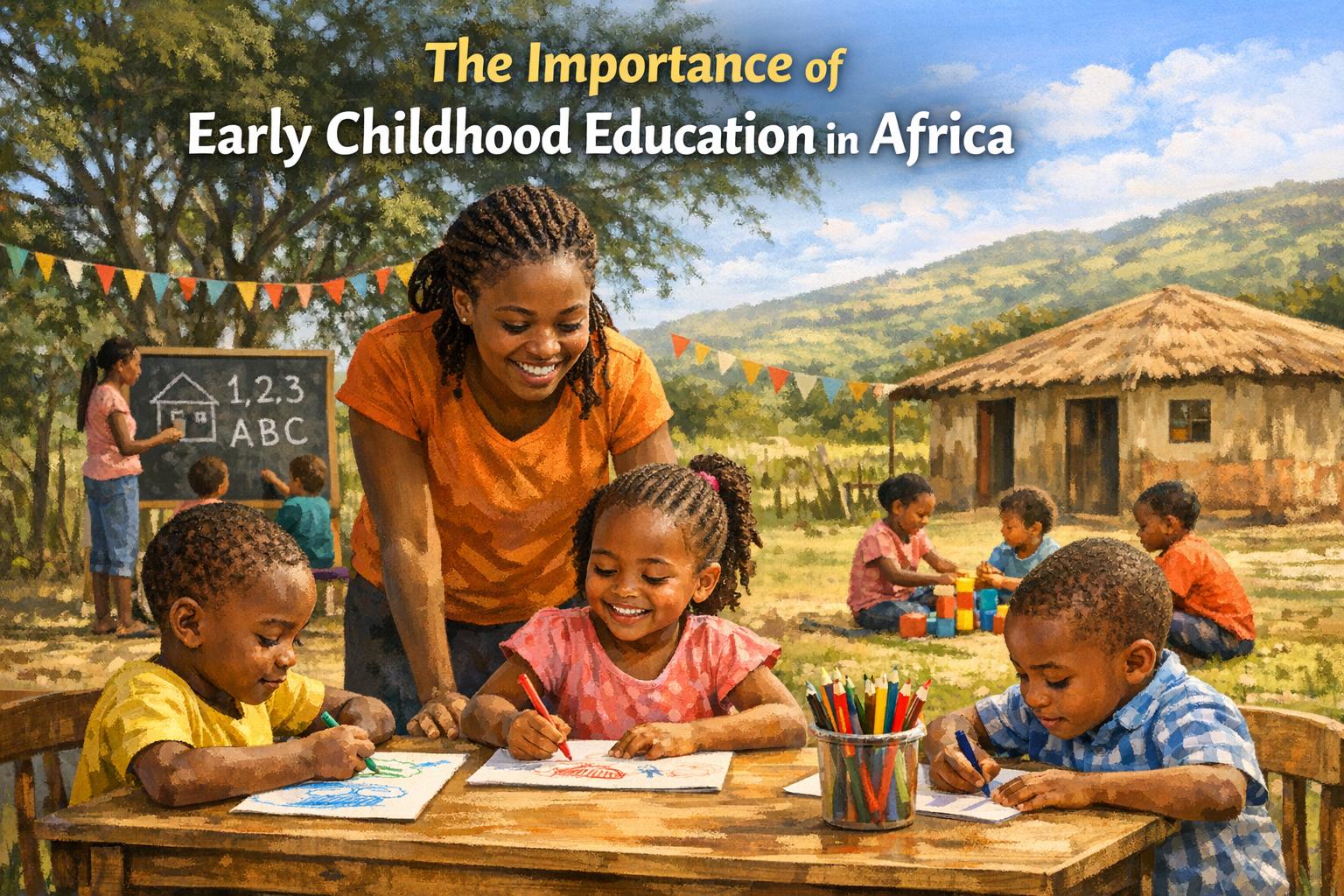
Primary education forms the bedrock upon which higher educational levels and economic participation are developed. At this stage, basic literacy and numeracy skills are inculcated, providing individuals with the tools necessary to function within a modern economy.
The ability to read, write, and perform basic arithmetic equips individuals with the capacity to engage in various economic activities, from navigating personal finances to comprehending and meeting job specifications.
Moreover, societal benefits are considerable when the majority can attain primary educational levels. Health outcomes improve due to enhanced understanding of health information and practices, which, in turn, supports economic participation by reducing absenteeism due to health issues.
Secondary Education: Bridging Basic and Specialized Skills
Secondary education serves as a crucial bridge between primary learning and specialized tertiary education or vocational training. During this phase, students refine their basic skills while gaining exposure to more specialized subjects such as sciences, arts, and vocational skills.
This educational level is pivotal in preparing students for specific careers, further adding depth to the workforce. For countries with rapidly advancing technology sectors, this stage addresses the prerequisite skills needed to embark on STEM-related careers.
Secondary educational systems that are well-tailored to their economic environments produce a labor-ready youth who can adeptly transition into higher education or enter the workforce, contributing directly to economic productivity.
Tertiary Education: Catalyzing Knowledge and Innovation
Higher education institutions such as universities and polytechnics are incubators for knowledge creation and innovation. Tertiary education not only cultivates a skilled workforce but also fosters the environment for research and development crucial for economic innovation.
Graduates from these institutions form the backbone of professional sectors such as medicine, law, engineering, and administration, driving health, governance, and infrastructure development—which are cornerstones of prosperous economies.
Additionally, universities often engage in partnerships with industries to facilitate research that directly benefits economic sectors. For Africa, the potential of tertiary education in propelling economic growth is massive, provided there is adequate investment and alignment with market needs.
The Impact of Lifelong Learning on Economic Growth
In today’s fast-changing world, lifelong learning has become an essential component of sustained economic growth. The concept extends beyond formal education, encompassing continuous personal and professional development opportunities throughout an individual’s life.
Lifelong learning enables an adaptable workforce capable of acquiring new skills and competencies required by emerging industries and evolving job roles. This ensures that the workforce remains relevant and competitive on a global scale.
As economies face technological shifts, industries will require workers who can swiftly adapt and innovate. Thus, fostering a culture of lifelong learning contributes to a nation’s economic agility and resilience.
Global Collaboration in Educational Development
International collaboration in educational development can substantially enhance the efficacy of national education systems. By engaging in global partnerships, countries can share knowledge, resources, and best practices that improve educational infrastructure and outcomes.
For African nations, participating in global education networks offers access to cutting-edge technology, innovative teaching methodologies, and research opportunities that may be unavailable domestically. These collaborations often lead to improved quality in education and research, bolstering the continent’s competitive edge in various economic sectors.
Such global educational collaboration is frequently facilitated through international organizations, bi-national partnerships, and educational exchanges, which further strengthen the educational foundation necessary for robust economic growth.
Conclusion
The interrelationship between education and economic growth in Africa is complex but crucial. Educational systems that are robust and align with market needs tend to produce skilled individuals capable of driving economic productivity. Moreover, as education improves, so do opportunities for innovation and development in new sectors.
Challenges remain, including disparities in educational quality and access, as well as alignment with labor market demands. However, with strategic investments and international collaborations, these challenges can be addressed, enabling education to realize its full potential as a catalyst for economic growth in Africa.
In sum, education in Africa is more than a foundational social service; it is a strategic imperative that, if appropriately harnessed, can transform the continent’s economic landscape in the years to come.