Overview of Education Costs in Africa
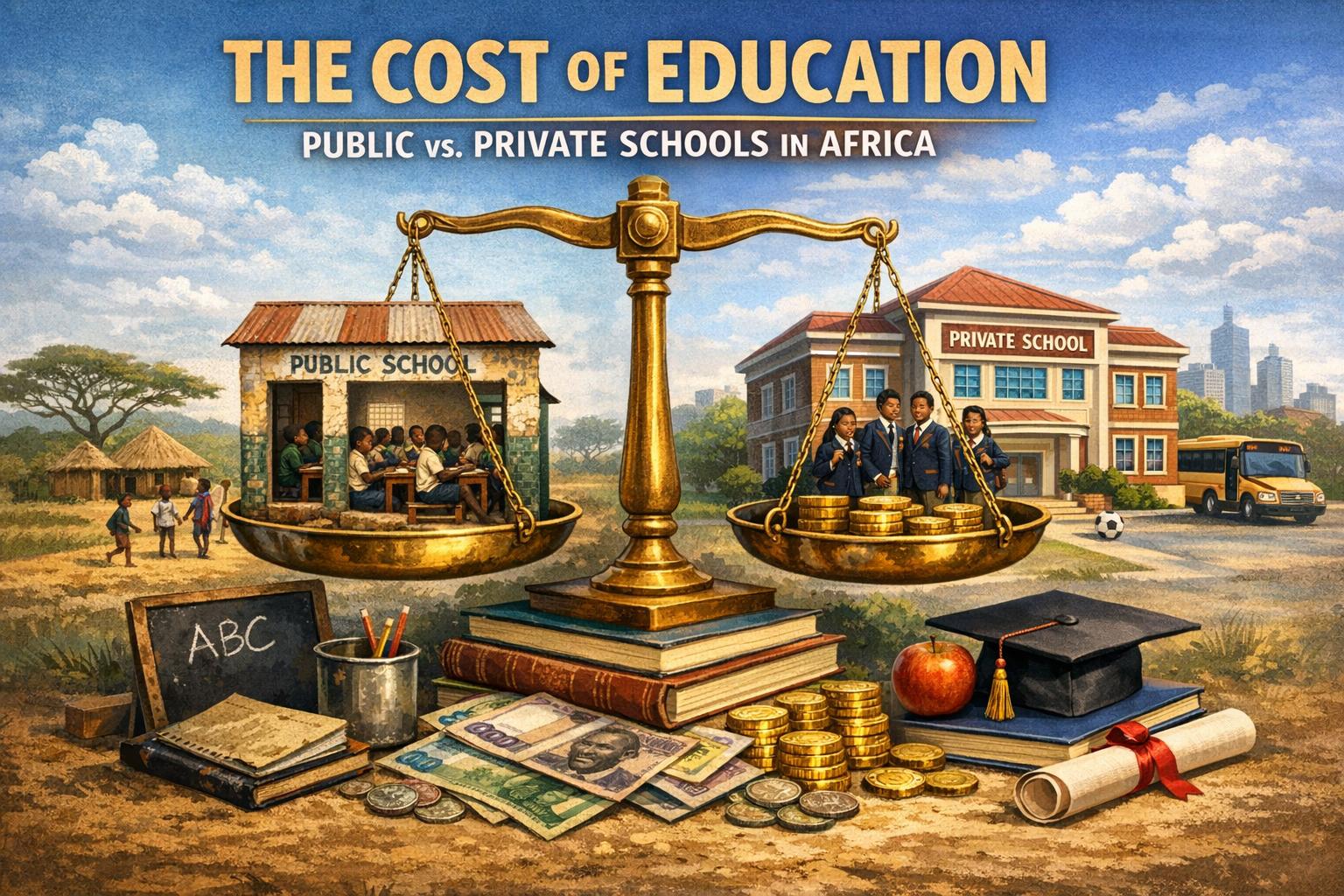
Education is a vital component of both personal and societal development. In Africa, the cost of education can vary considerably depending on the country, region, and level of education. While many African governments strive to provide tuition-free public primary education in alignment with international education goals, there are still various indirect costs that families need to cover. These hidden expenses often make a significant impact on whether families opt for public or private education, which in turn depends on factors such as affordability, perceived educational quality, and ease of access.
Public Schooling: Low Tuition, Hidden Costs
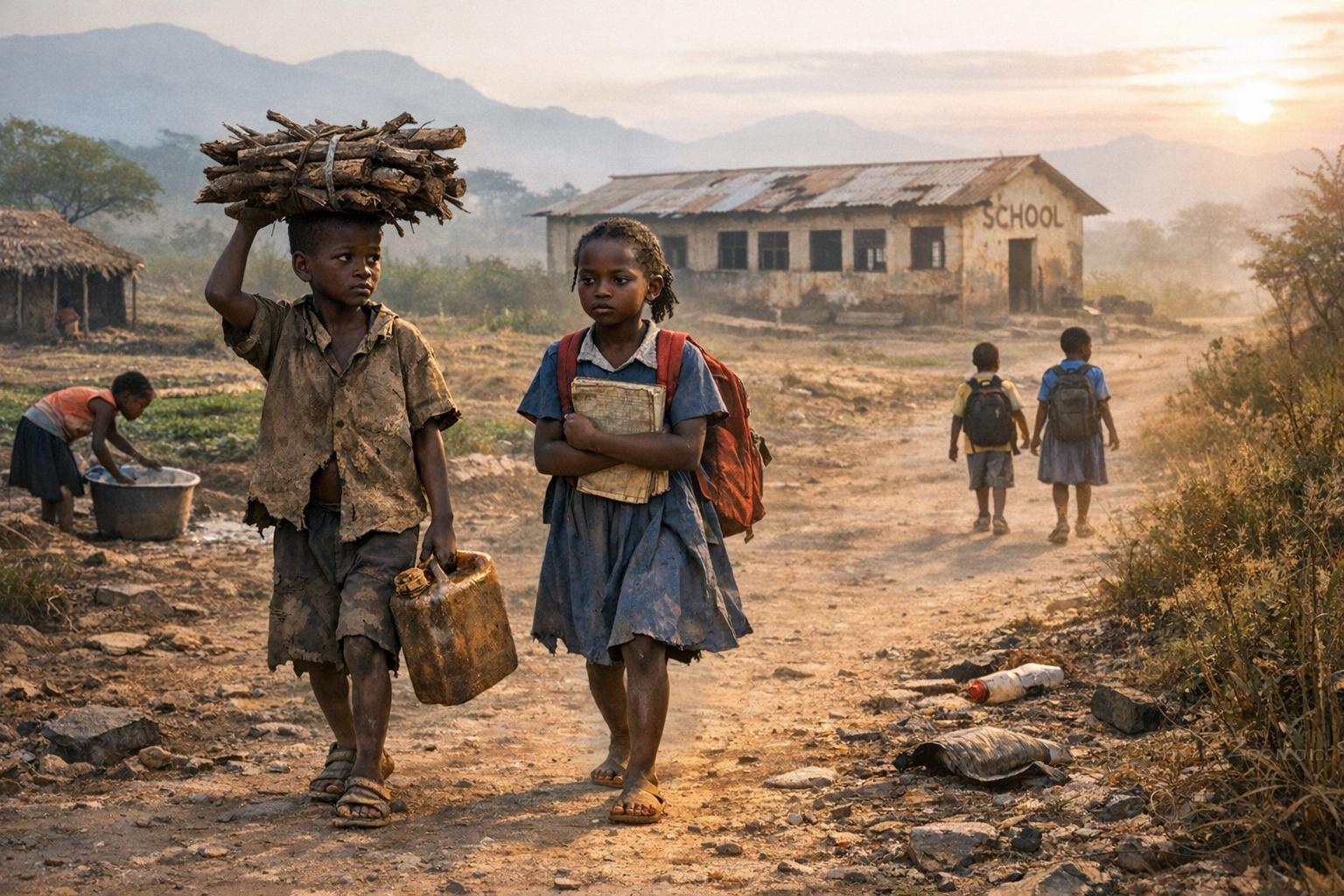
Public primary education in many African nations is, in principle, free due to policies that are part of global initiatives such as the Global Partnership for Education. However, apart from the nominally free tuition, families often incur indirect costs. These include the purchase of school uniforms, textbooks, transportation fees, examination fees, and other school supplies. Such indirect expenses can become quite burdensome, particularly in rural regions, sometimes representing a substantial share of a household’s income.
Secondary education often sees a shift, with tuition fees becoming more prevalent. Countries like Ghana have introduced policies like the Free Senior High School initiative to mitigate these costs, aiming to provide wider access to secondary education. Despite these efforts, financial constraints may still affect the necessary infrastructure, availability of qualified teachers, and manageable class sizes within public schools. The burgeoning number of students relying on these institutions frequently leads to overcrowded classrooms and limited resources, thereby potentially impacting the quality of education delivered.
Private Schools: Higher Fees, Varied Standards
Private schools can be found across Africa, ranging from low-cost community initiatives to expensive international institutions. The annual tuition fees for urban private schools oscillate significantly, from a few hundred to several thousand U.S. dollars, contingent on the country and curriculum offered. Schools following international programs such as British, American, or International Baccalaureate studies may demand particularly high fees, occasionally exceeding $10,000 per annum.
In certain urban areas, low-cost private schools have surfaced as alternatives to fill voids left by public education systems. Citing data from the World Bank, there has been a noticeable increase in private school enrollments across several African nations, fueled by population growth and quality concerns regarding public education. However, it is crucial to note that the quality of education provided in low-fee private schools can vary considerably, especially regarding teacher qualifications and school infrastructure.
Urban and Rural Differences
The divide between urban and rural education costs is stark. Urban areas typically offer more educational choices, albeit often at the expense of higher tuition fees and living costs. Conversely, rural regions tend to have fewer private schooling options, which might lower direct education expenses but could also limit educational choices. The necessity of covering substantial transportation costs becomes a critical consideration for families in remote areas, particularly when students are required to traverse long distances to attend secondary institutions.
Impact on Household Income
In numerous African countries, education-related expenses constitute a considerable portion of household expenditures. Families with lower incomes often find themselves in a difficult position, where even modest school-related costs vie with other essential needs, such as food and healthcare. Financial aid from extended family, community initiatives, or scholarship programs provided by both government and non-governmental organizations sometimes becomes indispensable.
Data from entities like the UNESCO Institute for Statistics reveals that while school enrollment rates have improved significantly over the past twenty years, financial barriers still play a considerable role in high dropout rates, especially at the secondary school level. For families with daughters, educational costs might be even greater, due to additional societal and safety considerations.
Quality and Value Considerations
The disparity in costs between public and private schools does not always correlate directly with the differences in educational outcomes. Public institutions benefit from government oversight, which often leads to standardized curricula, while private schools might offer advantages such as smaller class sizes or alternative teaching methods. However, research outcomes on educational performance vary greatly by country and often depend on socio-economic backgrounds.
For numerous families, the decision to choose a particular educational path hinges on perceived value rather than cost alone. Factors such as the regularity of teacher attendance, success in examinations, the language of instruction, and school discipline policies significantly influence school choice alongside tuition considerations.
Policy Trends and Future Outlook
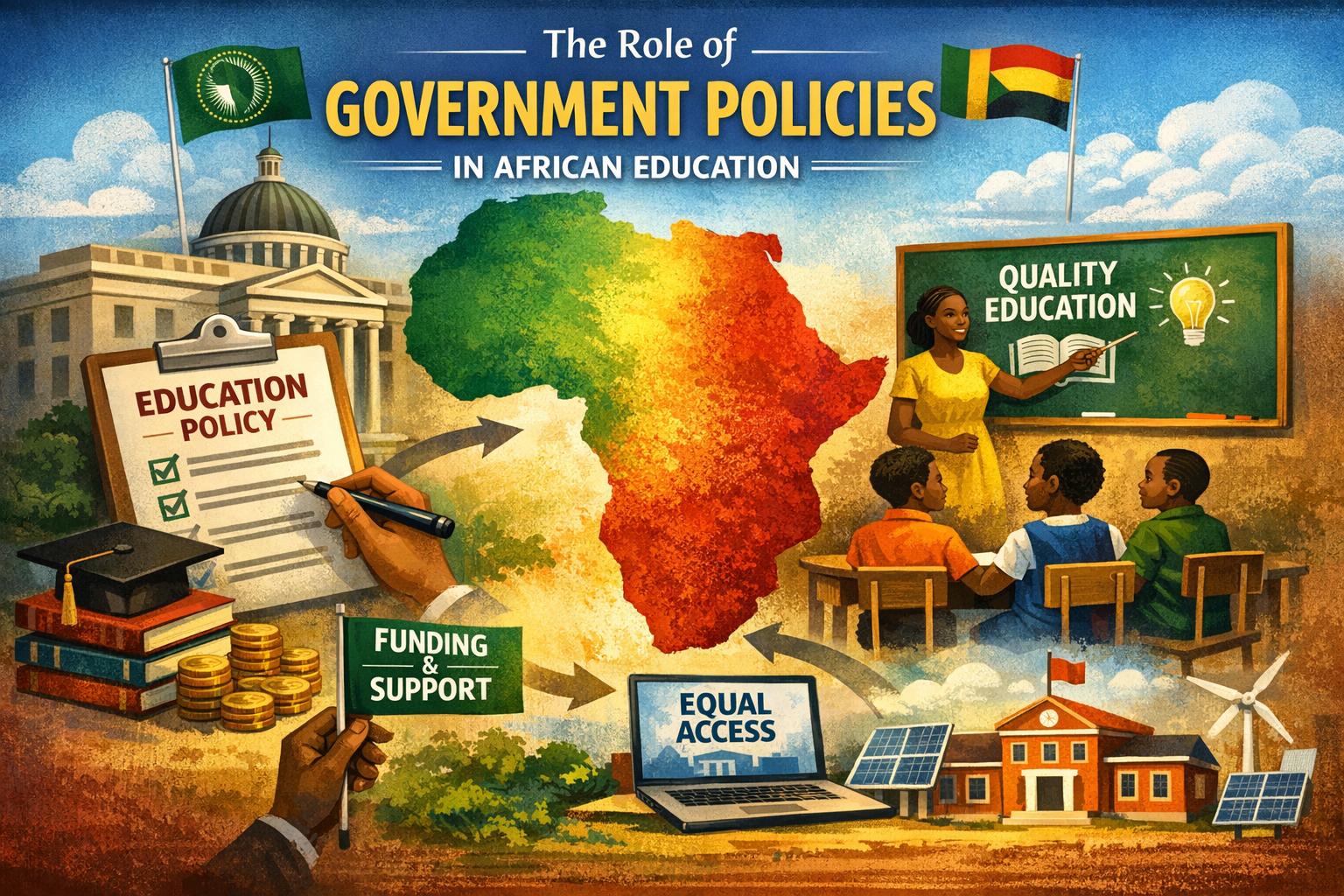
The landscape of education funding and cost management continues to evolve across Africa. Governments are striving to expand access while simultaneously improving educational quality. Investments in teacher training, infrastructure development, and the integration of digital learning tools are on the rise in several countries. Simultaneously, there are efforts to impose more suitable regulations on private educational institutions to ensure that they meet minimum standards.
The cost of education in Africa is likely to remain a critical policy issue for the foreseeable future. Public schools tend to offer lower direct tuition rates, albeit coupled with hidden costs and capacity challenges. On the other hand, private schools present alternative options, albeit often with significantly higher overall costs. Ultimately, the educational landscape is shaped by national funding priorities, demographic dynamics, and household income levels.