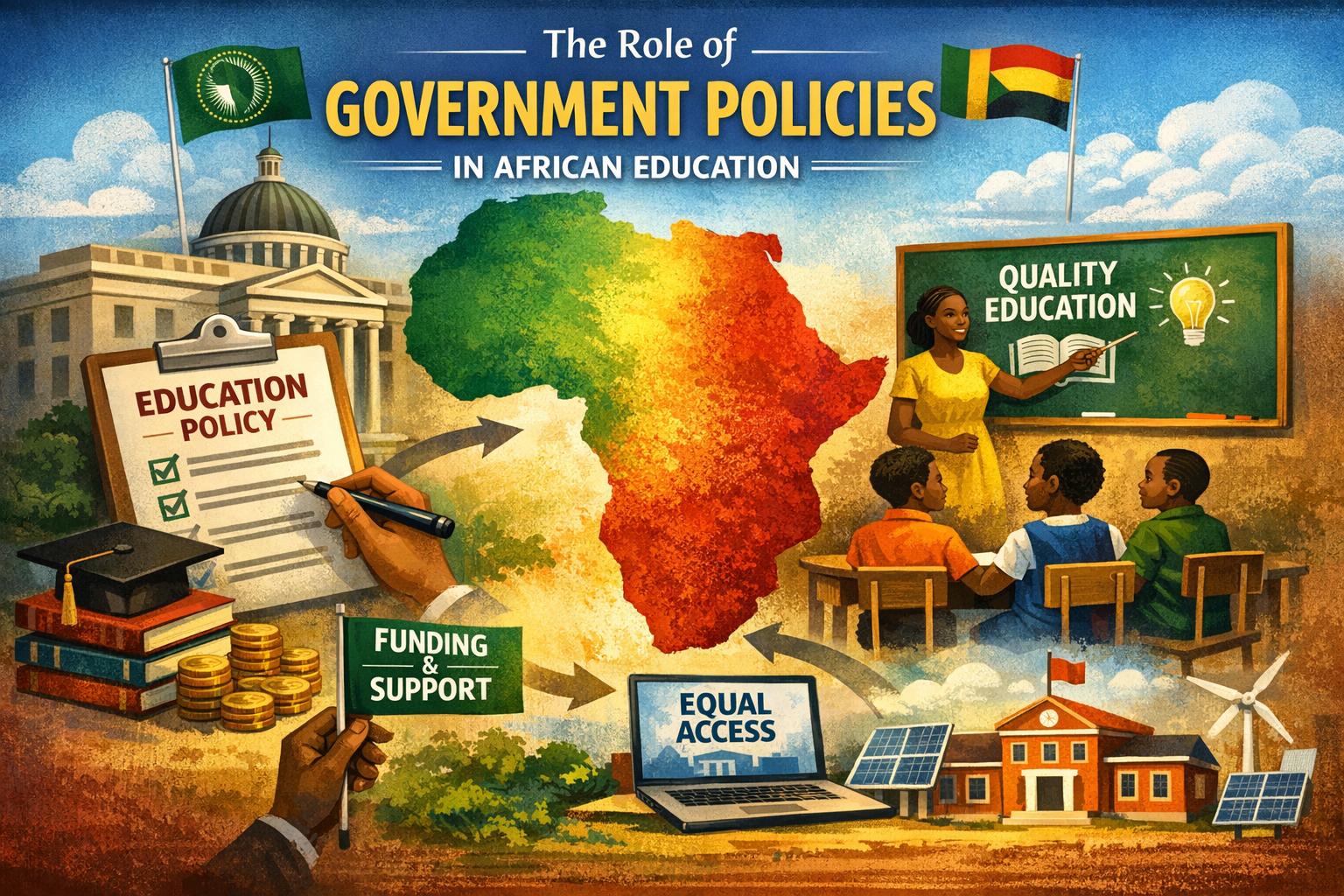
Government policies have a profound impact on the educational landscape across Africa, determining the structure, accessibility, and quality of educational systems. Education outcomes on the continent are intricately tied to decisions made regarding public investments, regulatory frameworks, curriculum standards, and broader national development strategies. Over the last twenty years, there has been noteworthy progress in enrollment rates; however, significant disparities still exist between different countries and regions. The influence of public policy is crucial in guiding education systems to adapt to demographic trends, the demands of labor markets, and technological advancements.
Public Investment and Education Financing
The allocation of public funds is one of the most straightforward means by which governments exert influence over education. Budgetary decisions have a direct impact on teacher recruitment, infrastructure development, provision of learning materials, and student support initiatives. According to the World Bank, some African countries allocate less than the suggested 4–6% of GDP towards education. Various factors including limited fiscal resources, competing national priorities, and dependency on external funding can often limit sustained investments in education.
In nations where there has been an increase in funding, markers like primary school enrollment and gender parity have shown improvement. Nevertheless, the level of funding is not the only determinant of success. The efficiency with which funds are spent, transparency in procurement processes, and accountability in execution all play a crucial role. Weak governance structures can undermine the potential impact of even ample public expenditure.
Access, Equity, and Inclusion Policies
Efforts through government policies aimed at expanding educational access have notably altered the educational landscape in Africa. The implementation of free primary education policies in countries such as Kenya, Tanzania, and Uganda led to substantial increases in school enrollments. These policies effectively reduced the financial burden on families that acted as barriers to sending children to school.
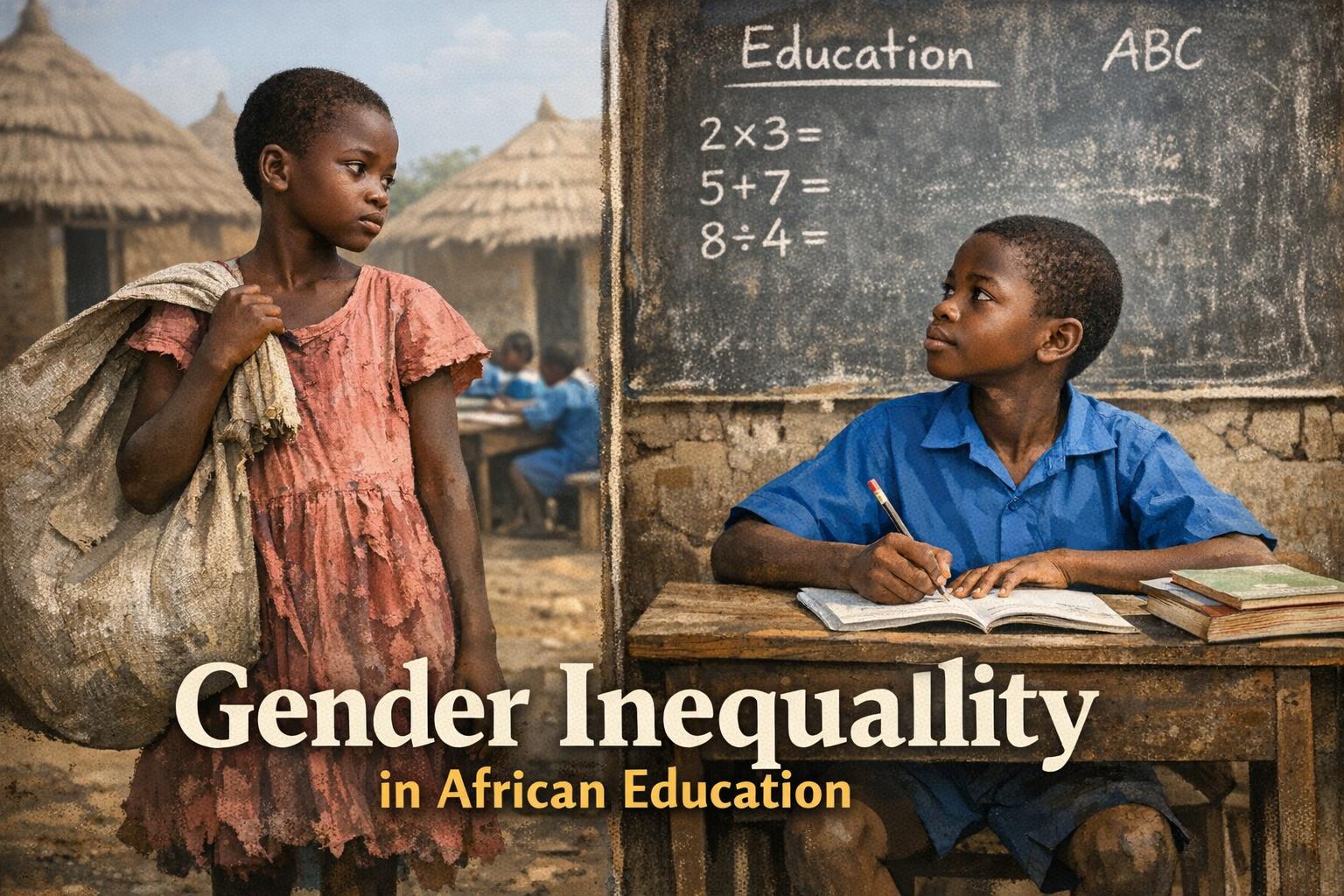
Despite improvements in access, significant inequities continue to exist. Rural communities frequently struggle with shortages of qualified teachers and adequate infrastructure. Additionally, girls, children with disabilities, and displaced individuals face further barriers to education. Inclusive education policies, inspired by frameworks like the African Union’s Continental Education Strategy for Africa (CESA), encourage the integration of marginalized groups into mainstream educational systems. However, the implementation of these strategies varies widely between countries.
Curriculum Reform and Skills Development
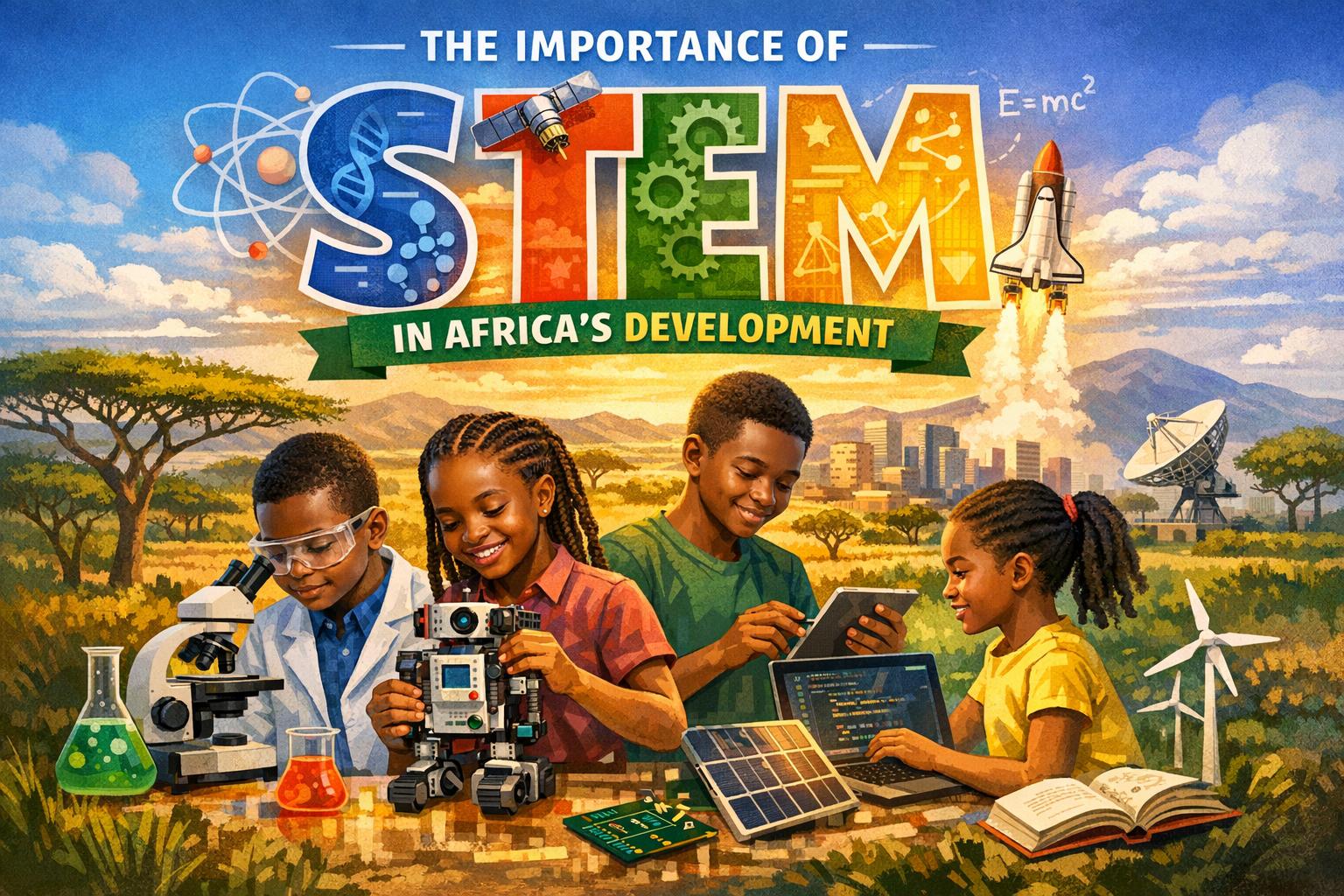
Curriculum design is often a reflection of government priorities and economic strategies. Many African countries are revising their curricula to place greater emphasis on science, technology, engineering, and mathematics (STEM) education, alongside digital literacy and technical skill development. These curricular reforms are designed to align educational systems with the needs of evolving labor markets and to support industrialization strategies.
Technical and vocational education and training (TVET) has gained increased policy focus as governments recognize the necessity of addressing youth unemployment by linking educational systems with practical skill development. This approach includes the creation of national qualification frameworks and fostering partnerships with the private sector. Nonetheless, significant challenges remain in standardizing certification processes and ensuring the quality of training across different institutions.
Teacher Policies and Workforce Management
Teachers are integral to the quality of education, and various government policies influence their recruitment, training, remuneration, and deployment. Many African countries continue to experience shortages in their teaching workforce, particularly in rural and conflict-affected regions. Policy responses have included the development of accelerated training programs, contractual employment arrangements, and the implementation of incentive schemes to encourage postings in remote areas.
To maintain high teaching standards, professional development policies are of paramount importance. The UNESCO Global Education Monitoring reports consistently emphasize the necessity of ongoing teacher training to achieve desired learning outcomes. Without structured professional support, improvements in areas such as curriculum design or infrastructure might not translate to enhanced student performance.
Language of Instruction Policies
Language policy continues to be a critical issue within African educational systems. In several countries, colonial languages such as English, French, or Portuguese remain the official languages of instruction beyond the lower primary levels. Research suggests that early education in children’s mother tongue can significantly enhance comprehension and information retention. In response, some governments have developed bilingual or multilingual education policies.
However, implementing multilingual education policies can be complex due to linguistic diversity and often severe resource constraints. The production of textbooks and the training of teachers in multiple local languages require sustained political and financial commitment. Furthermore, policy consistency over time is essential to prevent frequent shifts that may disrupt the continuity of learning.
Governance, Decentralization, and Accountability
The structures of education governance determine how decisions are made and enforced. Several countries across Africa have adopted decentralized systems, which involve transferring certain responsibilities to regional or district authorities. While decentralization can enhance responsiveness to local needs, it requires substantial administrative capacity at sub-national levels.
Accountability mechanisms, such as national examinations and performance evaluations, serve as vital tools for monitoring the effectiveness of education systems. However, there is a risk that overreliance on high-stakes examinations may lead to a narrowing of teaching practices. Finding the appropriate balance between accountability and educational quality remains a significant policy concern.
Digital Transformation and Policy Innovation
The adoption of digital learning strategies has become increasingly significant, especially in the wake of school disruptions caused by the COVID-19 pandemic. Governments responded by implementing remote learning policies that made use of radio, television, and online platforms. Though urban regions benefited from these digital solutions, rural areas often faced serious connectivity limitations.
Long-term digital education policies now prioritize infrastructure development, the distribution of learning devices, and teacher training in educational technology. Successful implementation of these policies is contingent on factors such as reliable electricity supply, internet access, and regulatory frameworks that support innovation while safeguarding data privacy.
Conclusion
Government policies play a pivotal role in determining access to education, its quality, and its alignment with economic priorities in African countries. While there have been advances in enrollment rates and gender equity, persistent systemic challenges related to financing, governance, and quality must be addressed. Sustainable improvements in education require cohesive policy design, consistent implementation, and evidence-based evaluations. As demographic trends continue to evolve across the continent, the efficacy of education policies will remain a key element in shaping both social and economic development.