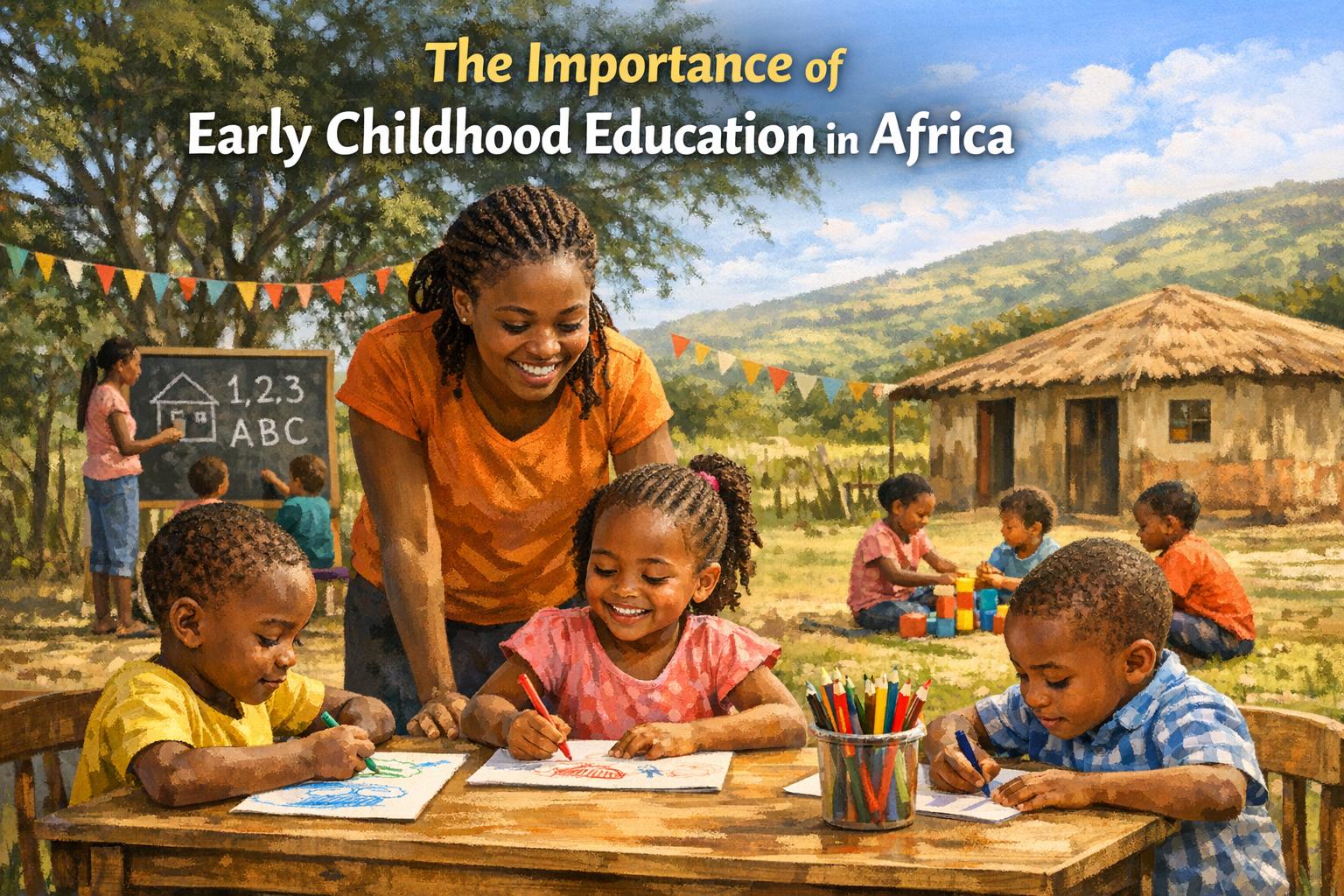
Early childhood education (ECE) plays a critical role in shaping cognitive, social, and emotional development. In Africa, where nearly half of the population is under the age of 18, expanding access to quality early learning opportunities is increasingly recognized as a strategic investment in long-term social and economic development. Research consistently shows that the period from birth to age eight is foundational for brain development, literacy, numeracy, and lifelong learning outcomes.
The State of Early Childhood Education in Africa
Access to early childhood education across African countries varies widely. According to data from UNICEF and the World Bank, enrollment rates in pre-primary education in Sub-Saharan Africa remain below the global average. In several low-income countries, less than 30 percent of children attend organized early learning programs. Rural areas and marginalized communities face the greatest barriers, including limited infrastructure, insufficient trained educators, and financial constraints.
There is a notable divide between urban and rural areas, where children in more infrastructurally developed urban locations have better access to early education services. The lack of facilities in rural areas is compounded by logistical challenges such as distance, making it difficult for young children to attend school regularly. Furthermore, financial constraints at both household and governmental levels often limit the development and accessibility of early childhood education.
Despite these challenges, governments and regional bodies such as the African Union have increasingly integrated early childhood development into national education strategies. Policy frameworks now recognize that quality early education contributes to improved primary school completion rates and better academic performance. These efforts are evident in the formation of strategic plans and policies that emphasize early childhood education, recognizing its impact on the holistic development of children and the overall progression of national education systems.
Educational and Economic Benefits
Investments in early childhood education generate measurable returns. Studies show that children who attend structured early learning programs are more likely to develop foundational literacy and numeracy skills before entering primary school. This reduces repetition and dropout rates, which remain persistent issues in many African education systems.
Moreover, children who receive early education have been found to perform better in school, show more enthusiasm for learning, and possess greater social skills. These benefits prove significant in contexts where educational resources are limited and maximizing potential output from existing structures is crucial. There is also evidence suggesting that early childhood education can foster resilience in children, equipping them to navigate future academic and social challenges more effectively.
From an economic perspective, early education contributes to building human capital. A workforce with stronger foundational skills supports higher productivity and innovation. The African Development Bank highlights that strengthening human capital is essential for achieving sustainable growth across the continent. Early interventions are generally more cost-effective than remedial education later in life.
By laying a foundation for lifelong learning, early childhood education supports a more skilled workforce capable of adapting to the dynamics of changing economies. It prepares individuals for the complexities of various job sectors, thus enhancing employability and fostering a culture of innovation and economic adaptability.
Addressing Inequality Through Early Learning
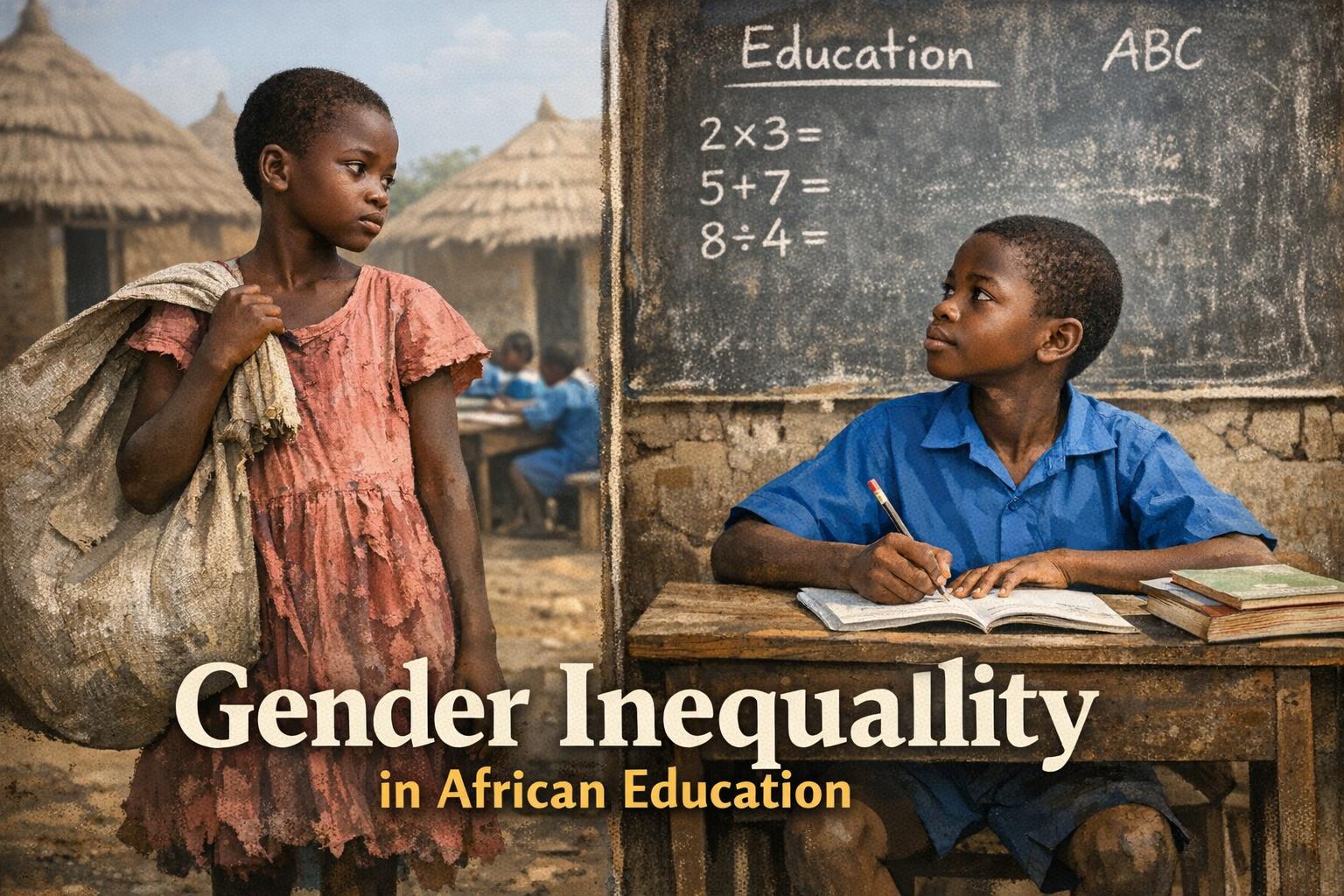
Early childhood education can help narrow inequality gaps linked to income, gender, and geography. Children from disadvantaged households often begin primary school at a disadvantage due to limited exposure to pre-literacy and numeracy environments. Structured early learning programs help mitigate these disparities by providing standardized developmental support.
Recent initiatives focus on creating inclusive educational environments that cater to the needs of all children, regardless of their socio-economic background. By standardizing the quality of early education, these programs aim to provide an equitable educational foundation that levels the playing field for disadvantaged children.
Gender equality is also closely linked to early education. Access to pre-primary services can enable greater participation of women in the labor market, as reliable childcare allows mothers to engage in paid work or further education. This creates wider socioeconomic benefits beyond the individual child.
Empowering women through access to education for their children not only enhances the economic standing of families but also contributes to broader social change. The increase in female labor participation bolsters economic productivity and fosters environments where both men and women can contribute meaningfully to societal development.
Quality and Teacher Training
Expanding access alone is insufficient without a focus on quality. Effective early childhood education depends on trained educators, age-appropriate curricula, safe learning environments, and community engagement. Many African countries face shortages of qualified pre-primary teachers. Strengthening teacher training institutions and professional standards is therefore central to improving outcomes.
Measures to enhance teacher training facilities and pedagogical methods are essential in addressing the quality deficits in early childhood education. Investing in teacher development includes encouraging innovative teaching methodologies tailored to the unique needs of young children and leveraging local cultural contexts in delivering the curriculum.
Evidence from pilot programs in countries such as Rwanda and Ghana shows that investments in curriculum development and teacher mentoring can significantly improve early grade reading skills. These examples demonstrate that scalable improvements are possible when policy commitment is matched by adequate funding. The sharing of best practices across the continent can lead to improved educational strategies that cater to the diverse contexts of African countries.
Long-Term Development Impact
The long-term impact of early childhood education extends beyond academic achievement. It influences health outcomes, social cohesion, and civic participation. Children who experience quality early learning are more likely to complete secondary education and participate in the formal economy.
Research indicates that early childhood education is linked to better health later in life, as children with a strong educational foundation are more aware of health-related issues and engage in healthier behaviors. In addition, early childhood education fosters social cohesion by promoting inclusivity from a young age, thereby contributing to societal stability and harmony.
Civic participation often correlates with individuals’ experiences during early education. Those exposed to environments that encourage critical thinking, collaboration, and communication tend to be more active in civic duties and community engagement. High-quality early childhood education can thus play a crucial role in nurturing informed and responsible citizens.
Given Africa’s demographic growth, prioritizing accessible and high-quality early childhood education is not only an educational objective but also a development imperative. Strategic investments during the earliest years can strengthen educational systems, reduce inequality, and contribute to sustainable economic progress across the continent.
In conclusion, while there are significant challenges to overcome, the potential benefits of investing in early childhood education in Africa are substantial. By harnessing the developmental power of early learning, it is possible to pave the way for a more equitable, prosperous, and sustainable future for the continent.