Poverty remains one of the most significant barriers to consistent school attendance across many African countries. While educational access has improved over the past two decades, economic hardship continues to limit whether children can enroll in school, attend regularly, or complete their studies. The relationship between household income and school participation is well documented by organizations such as the World Bank and UNESCO, both of which identify poverty as a primary obstacle to achieving universal education.
Household Income and Direct School Costs
Although primary education is officially free in many African countries, families often face indirect and informal costs. These expenses go beyond the tuition fees, as they include school uniforms, books, transportation, examination fees, and contributions to school maintenance. For households living below or even near the poverty line, even these seemingly small costs can be a substantial financial burden. This financial constraint can discourage enrollment or lead to irregular school attendance as families prioritize more immediate needs.
Particularly in rural areas, families might have incomes that fluctuate based on agricultural cycles or the availability of informal labor opportunities. During periods of economic downturn or uncertainty, expenditures related to education are often the first to be reduced or cut entirely. This financial decision often results in children temporarily withdrawing from school. Unfortunately, many of these temporary withdrawals become permanent dropouts, effectively ending a child’s formal education.
Child Labor and Opportunity Costs
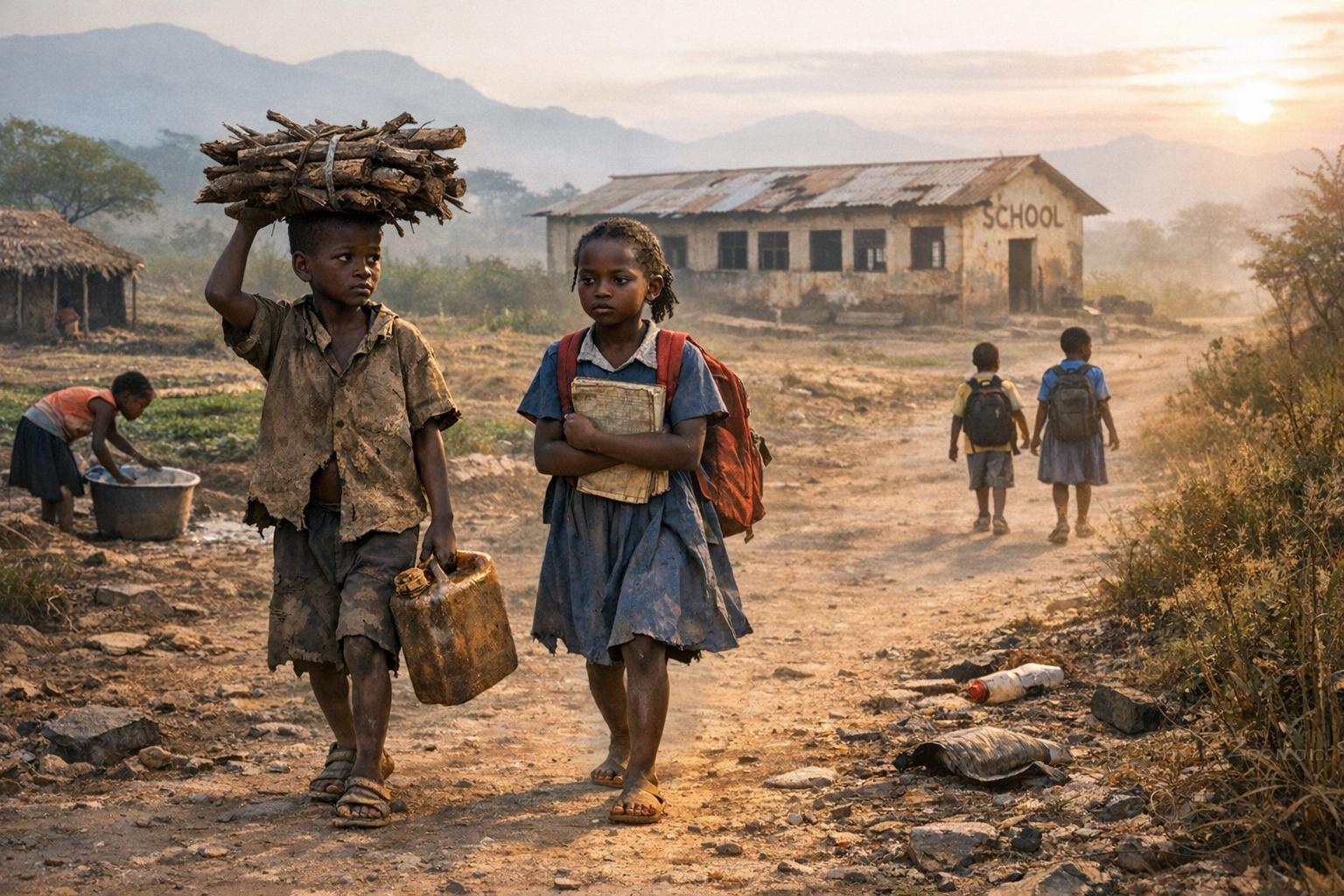
Poverty significantly increases the likelihood that children will be involved in income-generating activities. In low-income households, school-age children may find themselves working in agriculture, participating in mining activities, engaging in street vending, taking part in domestic services, or contributing to small family businesses. The income or labor these children provide is often seen as essential for the survival of their household, especially in environments where adult earnings are insufficient or unreliable.
A central concept to understand here is that of opportunity cost. When a child is in school, there is a potential loss in earnings or a decrease in domestic labor contributions that the family must bear. In communities where daily income is precarious and financial security is a distant possibility, education is seen as a long-term investment. Unfortunately, this investment does not hold the immediate financial promise that daily work does, making education a less attractive option for families under economic strain.
Food Insecurity and Student Attendance
Food insecurity is often linked to poverty and has a direct impact on student attendance. Children who are not receiving regular meals may face various challenges, including fatigue, illness, and difficulty concentrating. In response to this, some regions have implemented school feeding programs. These programs aim to reduce short-term hunger and also help to decrease household food expenses, leading to an increase in school attendance rates.
There is substantial evidence from several countries in sub-Saharan Africa that when schools provide meals, both enrollment rates and daily attendance improve significantly. This illustrates how crucial it is to address basic needs such as hunger in conjunction with educational goals. Such measures can have a measurable and positive effect on educational participation, assisting in the retention of students who might otherwise leave the educational system due to nutritional inadequacies.
Gender and Poverty
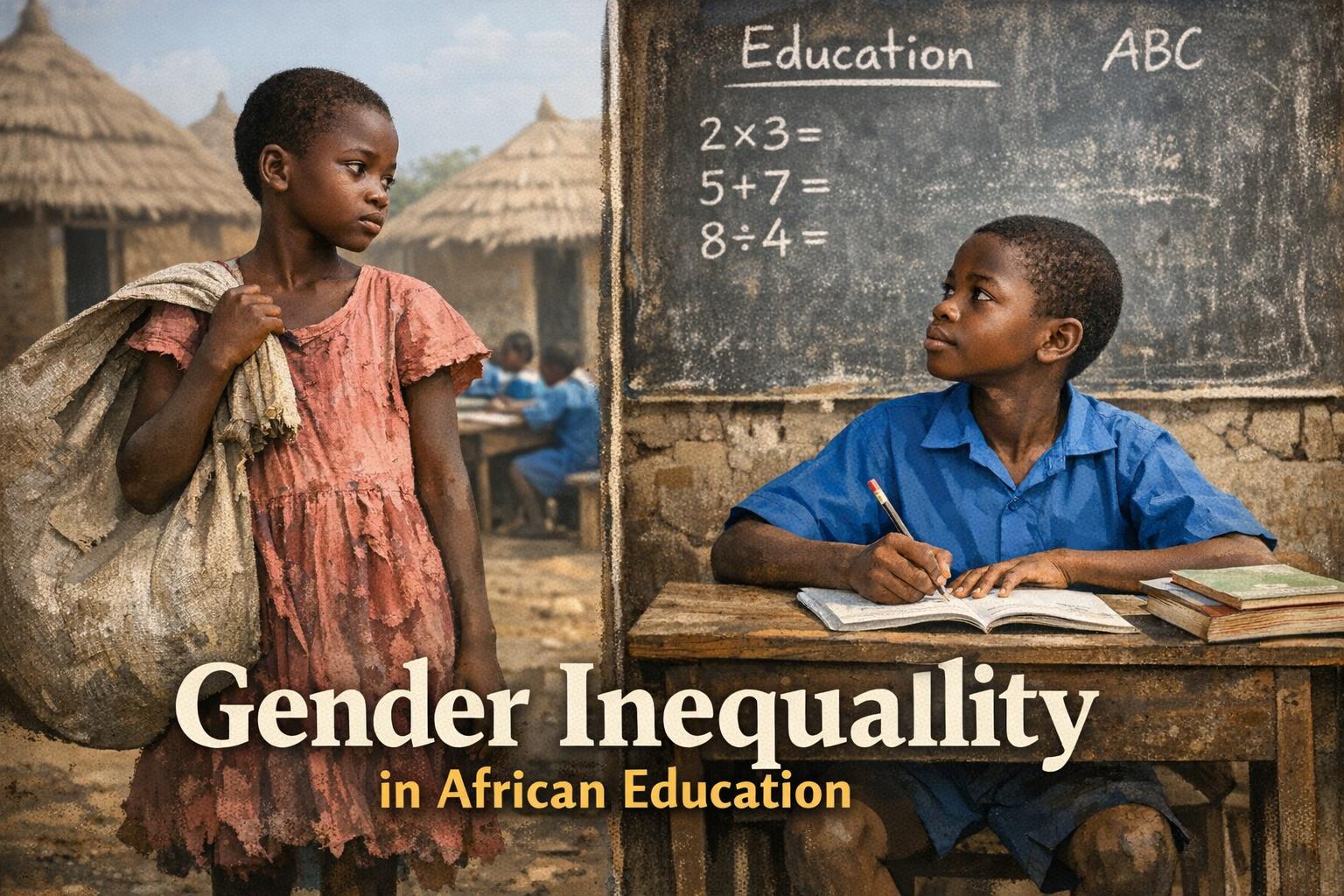
The impact of poverty on education can differ substantially depending on gender, disproportionately affecting girls’ educational opportunities in many cases. In economically strained households, there is often a prioritization of boys for schooling when resources are limited. Girls, conversely, might be required to assist with domestic responsibilities, such as childcare, water collection, or food preparation, pulling them away from educational opportunities.
Furthermore, economic hardships correlate with higher rates of early marriage in some regions. For families experiencing financial strain, marrying off daughters can be viewed as a means to reduce household expenses. This practice has significant implications for education, as early marriage often results in the permanent withdrawal of girls from formal educational pathways, curbing their development prospects and perpetuating economic cycles of poverty.
Health, Housing, and Environmental Barriers
Households with limited income are often situated in neighborhoods with inadequate infrastructure. Challenges such as long distances to school, unsafe travel routes, and poor sanitation facilities become significant barriers to attendance. Children from impoverished families may also lack access to healthcare, making them more susceptible to illnesses that lead to repeated absences.
Moreover, poor housing conditions influence the ability of children to study effectively. Overcrowded living spaces and a lack of electricity can significantly limit the time available for doing homework or preparing for examinations. These indirect issues contribute to dropout rates, as students fall behind academically and become discouraged from continuing their studies.
Government and Policy Responses
Recognizing the multifaceted nature of poverty’s impact on education, many African governments have initiated a range of policies aimed at reducing educational barriers associated with poverty. These measures include the enactment of free primary education laws, the introduction of cash transfer programs, implementation of school feeding initiatives, and offering scholarships aimed at vulnerable student populations. Conditional cash transfer programs, in particular, have proven effective as they directly link financial aid to regular school attendance, providing an incentive for families to keep their children enrolled and attending school.
Nonetheless, lasting improvement in educational outcomes depends on broader economic development initiatives. These include bolstering labor market stability and creating comprehensive social protection systems. While efforts to expand access to schools are essential, they must be complemented by strategies designed to reduce poverty at the household level. Economic stability at a familial level is central to improving attendance and educational completion rates across the continent.
Conclusion
The effect of poverty on school attendance in Africa is complex and operates through various channels, including direct costs, opportunity costs, food insecurity, gender dynamics, and health challenges. Therefore, addressing educational participation challenges requires not only educational reforms but also targeted and comprehensive strategies to alleviate household poverty. Without achieving economic stability, consistent school attendance will remain out of reach for many children across the continent. Addressing these intertwined factors is crucial for paving the way towards universal education and unlocking better life prospects for future generations.