Overview of Foreign Aid in African Education
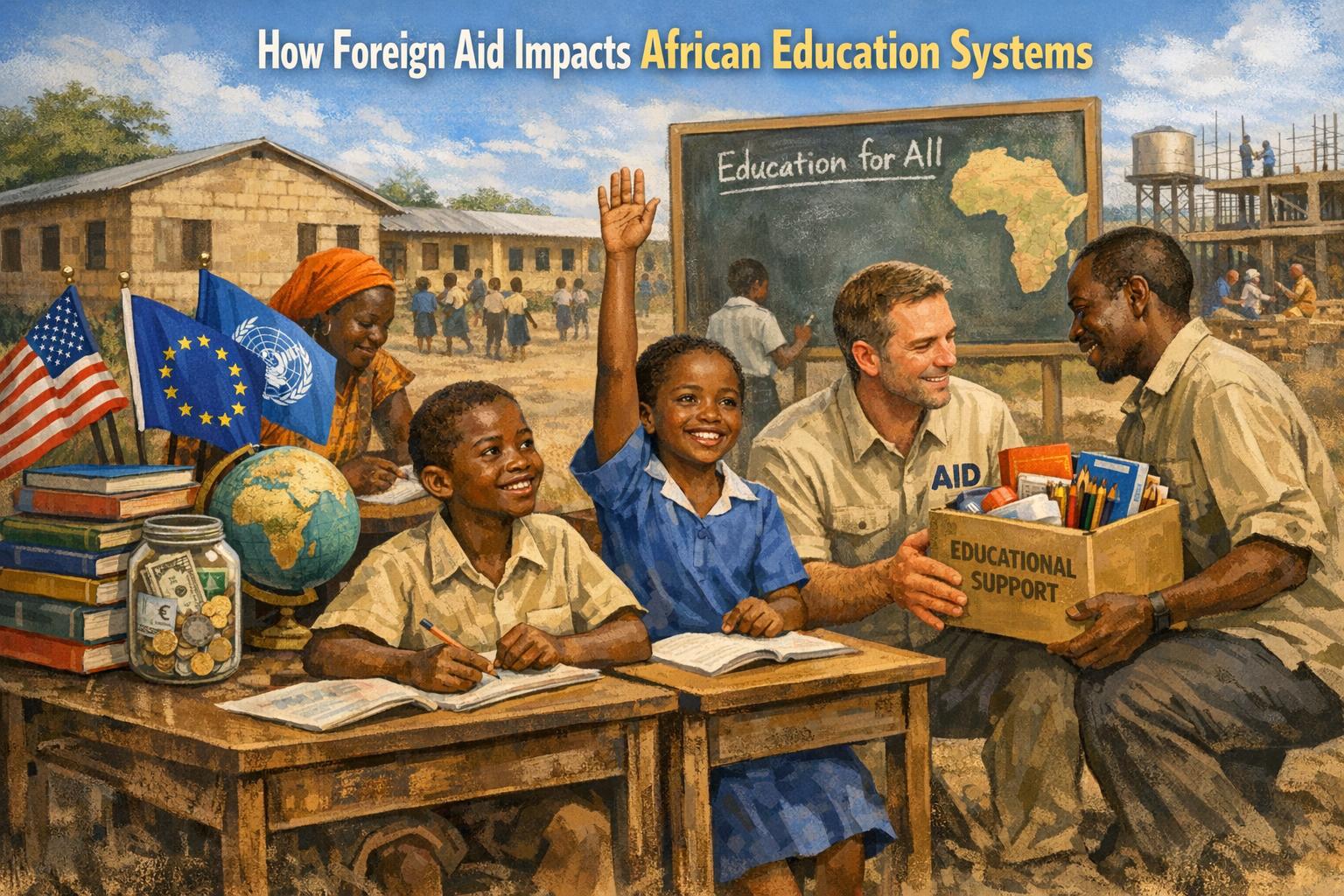
Foreign aid plays a significant role in shaping education systems across many African countries. Funding from bilateral donors, multilateral institutions, and international organizations supplements domestic education budgets. According to the World Bank and the UNESCO, external financing has supported infrastructure development, teacher training, curriculum reform, and access to basic education. In several low-income countries, foreign aid accounts for a substantial share of total public education expenditure.
Expanding Access to Basic Education
Foreign aid’s primary impact has been in expanding primary school enrollment. Organizations like UNICEF and the Global Partnership for Education have played crucial roles in supporting initiatives such as school construction, provision of learning materials, and elimination of school fees. These efforts have contributed to increased enrollment rates, especially in areas grappling with conflict or economic instability.
Some noteworthy achievements include significant boosts in attendance figures in war-torn regions through targeted intervention. Aid-supported initiatives have also emphasized the importance of education for girls and marginalized communities. Scholarship programs specifically targeted at girls, school feeding initiatives, and extensive community outreach have yielded positive results, notably increasing attendance rates in regions that historically witnessed low educational participation.
Challenges in Expanding Access
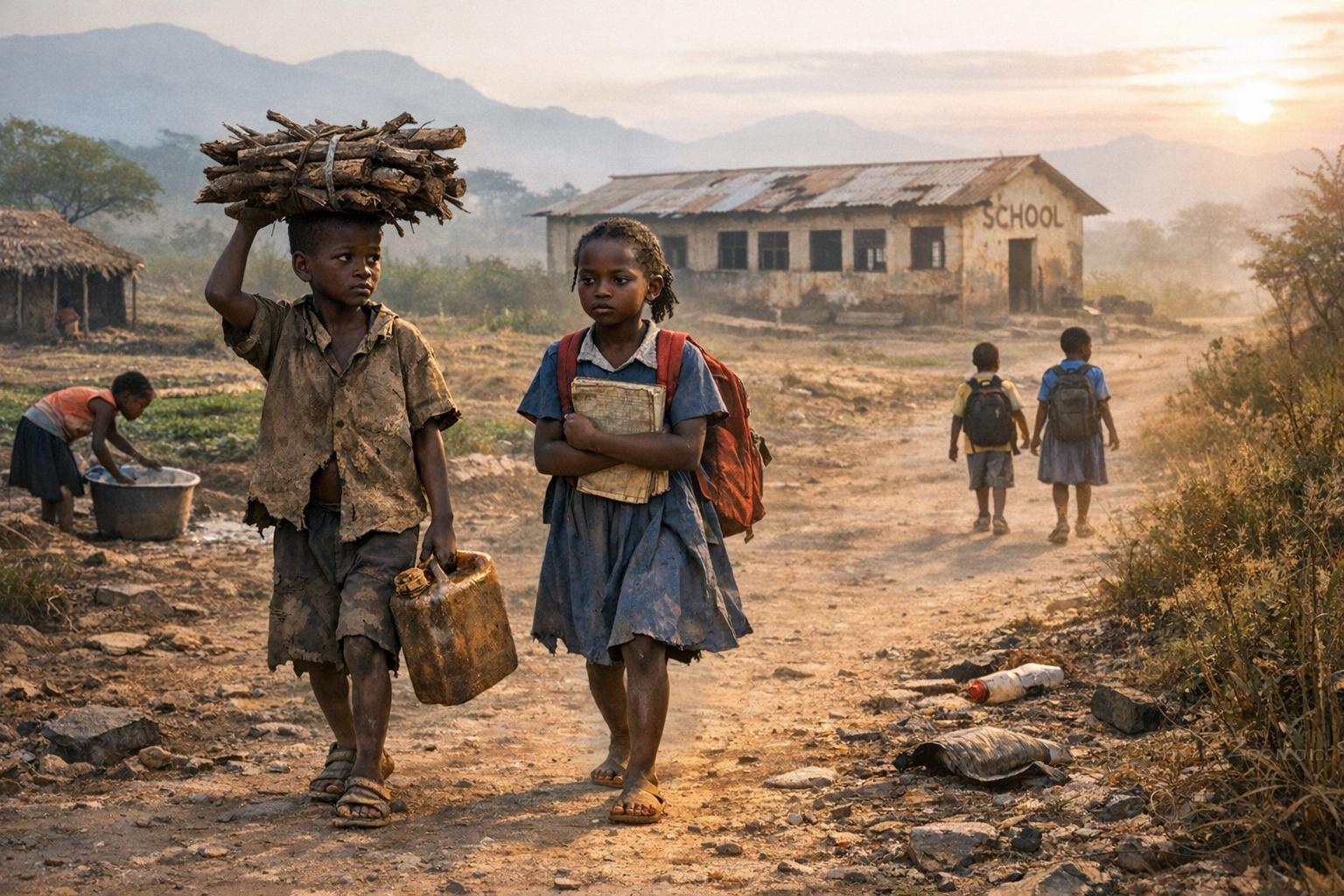
While progress is notable, challenges in expanding access to education remain. Factors such as unstable political environments, infrastructural deficits, and cultural barriers to girls’ education continue to impede consistent school attendance. Additionally, in some regions, the emphasis on numeric enrollment increases has sometimes overshadowed the need for quality education, leading to schools becoming overcrowded and inadequately equipped.
Improving Educational Quality
The focus of foreign aid has transcended mere access to education, increasingly targeting education quality. Many donor-funded projects include initiatives for teacher professional development, curriculum modernization, and implementation of learning assessment systems. For example, support in national examination reforms and data collection systems has empowered governments to effectively monitor student performances and adjust educational policies strategically.
Despite these efforts, the impact on learning outcomes is varied. Although infrastructure and enrollment have notably improved, student achievement gains have not been evenly distributed. Issues such as large class sizes, limited availability of instructional materials, and language barriers continue to persist despite foreign funding efforts.
Teacher Training and Curriculum Debates
Teacher training has been at the forefront of quality improvement strategies. Initiatives to enhance teacher effectiveness through capacity-building workshops have been widely supported by donors. These efforts aim to equip educators with modern teaching methodologies and student engagement techniques as well as to foster a deeper understanding of curriculum dynamics.
Curriculum reform has also stirred considerable debate. While modernization efforts aim to align educational content with global standards, there’s an ongoing discourse on preserving cultural nuances and mother-tongue instruction. Striking a balance between global educational paradigms and local context remains a complex challenge for policy-makers.
Institutional Capacity and Policy Reform
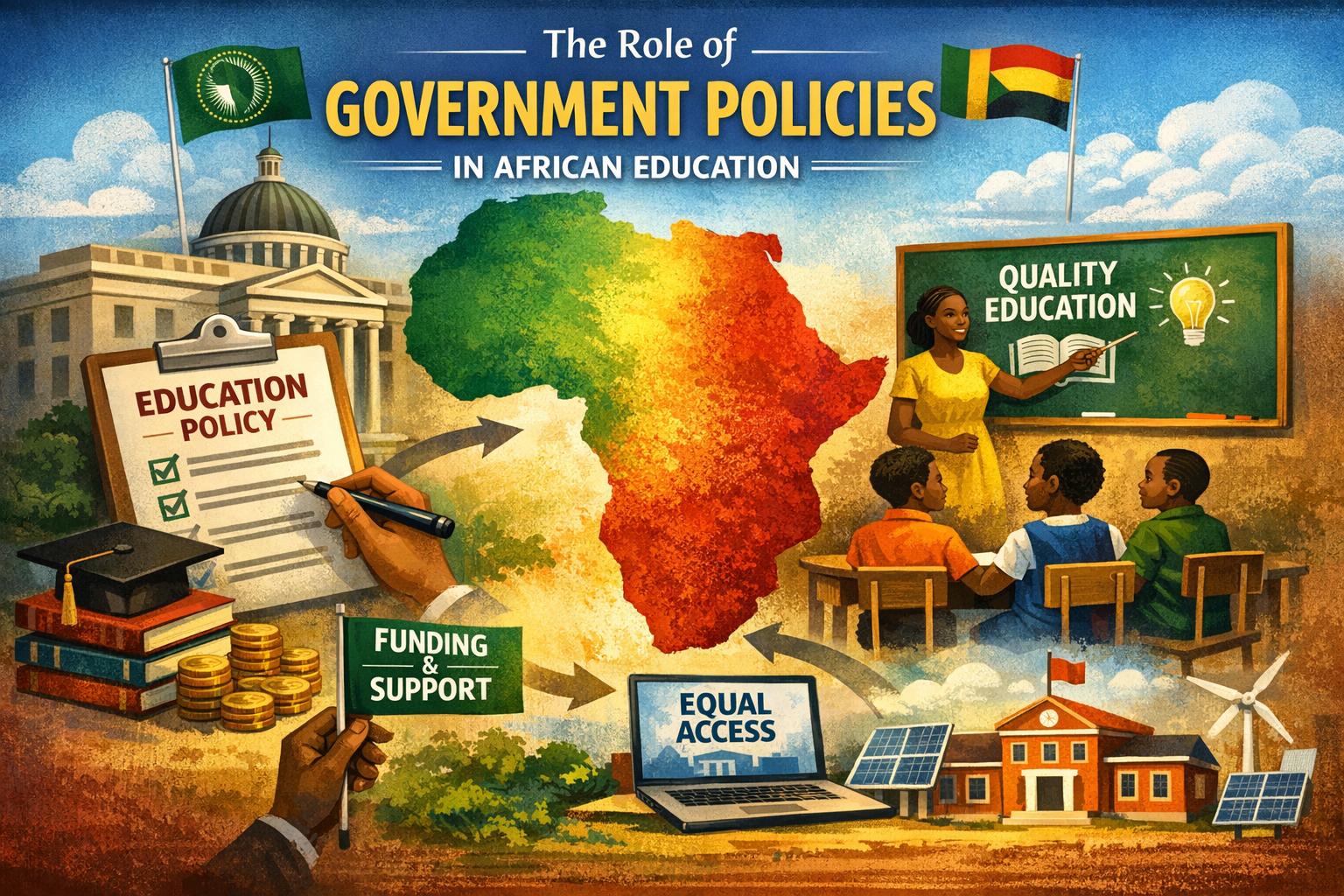
Another critical area supported by foreign aid is institutional reform within ministries of education. Technical assistance programs work towards developing robust data management systems, streamlining budgeting processes, and crafting efficient policy frameworks. In certain countries, foreign aid has facilitated decentralized governance models, which empower local authorities with enhanced responsibility over school management.
Nonetheless, reliance on donor funding can introduce coordination challenges. Divergent donor priorities and differing reporting requirements often place additional administrative burdens on recipient countries. There is a growing call for strong alignment between donor objectives and national education strategies to ensure reforms are sustainable in the long term.
Decentralization and Autonomy
Decentralization initiatives driven by foreign aid have presented both opportunities and challenges. On one hand, increased autonomy for local school authorities encourages context-specific solutions and innovations. On the other hand, such decentralization efforts must ensure adequate capacity-building at local levels to prevent discrepancies in educational quality and accessibility.
Equity and Regional Disparities
Aid allocation often prioritizes countries experiencing significant financial needs or those emerging from conflict zones. While this approach addresses urgent educational gaps, it can lead to discrepancies in funding levels between neighboring states. Within countries, donor-supported programs might focus on specific regions, potentially promoting equity if strategically targeted.
Gender equity remains a prominent focus of foreign assistance. Funded initiatives aimed at fostering girls’ education have successfully contributed to narrowing gender disparities in primary school enrollment across much of sub-Saharan Africa, though inequalities persist at the secondary level.
Challenges in Addressing Regional Inequities
The foundational challenge in tackling regional disparities lies in the diversity of socio-economic landscapes within African countries. Adequately tailored solutions must remain sensitive to these variances, necessitating significant research and granular data analysis.
Furthermore, while foreign aid can act as a catalyst for addressing education inequities, sustainable solutions demand local ownership and commitment, pushing countries to take proactive steps in resource mobilization and policy reforms.
Sustainability and Long-Term Impact
The sustainability of foreign aid impacts heavily relies on domestic capacity to uphold programs when external funding diminishes. Countries demonstrating growing tax revenues alongside stable governance structures are typically in a better position to sustain reforms. Conversely, nations heavily reliant on aid may experience significant disruptions if funding declines.
Current policy discussions underscore partnership models where donors closely align their support with national strategies, gradually transferring responsibility to domestic institutions. Evidence suggests that education systems exhibit greater resilience when foreign aid supplements national investments rather than substituting them.
Building Resilient Educational Systems
To enhance the long-term impact of foreign aid, comprehensive strategies are essential for building resilient educational systems. This entails investing in local institutions’ capacity for managing resources independently and designing policies that adapt swiftly to changing educational needs.
The success of these resilience-building endeavors is contingent on collaborative planning, tangible commitment from national governments, and continued engagement with donor communities.
Conclusion
Foreign aid has significantly contributed to expanded access, improved infrastructure, and strengthened policy frameworks within many African education systems. Observed progress in enrollment is evident, though improvements in learning outcomes and institutional sustainability remain inconsistent across countries. The overall impact hinges on the stability of funding, alignment with governmental priorities, and the capacity of national systems to uphold reforms over time.
Ultimately, the future of education in Africa will be shaped by the careful and strategic interplay of foreign aid, national investment, and policy coherence, laying the groundwork for a system that effectively meets the educational aspirations and needs of every African child.