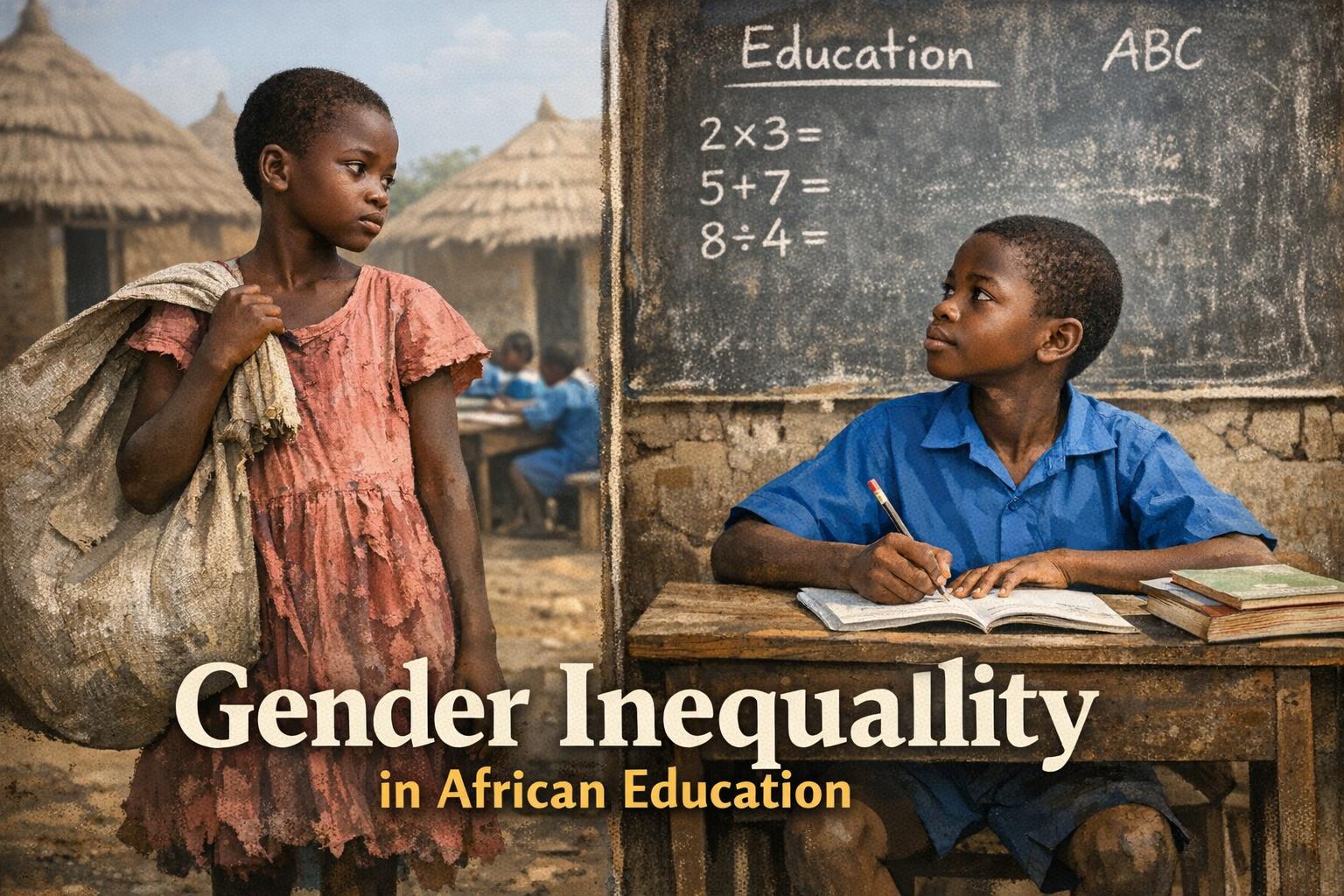
Gender inequality in African education remains a significant and measurable challenge across different educational levels. While enrollment rates have improved in many African countries since the early 2000s, there continue to be considerable disparities between boys and girls when it comes to access, retention, and completion of education. These gaps in education vary by several factors, including region, income level, exposure to conflict, and cultural context. According to data from organizations such as UNESCO and the World Bank, the progress toward gender equality in education has been uneven. In some nations, gender parity in primary education is either being approached or achieved, while other countries struggle with significant imbalances.
Enrollment and Access
Over the past two decades, primary school enrollment has significantly expanded across Sub-Saharan Africa. Some countries have achieved or are nearing gender parity in primary education. However, mere access to schools does not automatically guarantee consistent attendance. Girls in rural areas face numerous barriers that hinder their education. These barriers include long distances to schools, insufficient or inappropriate sanitation facilities, and the responsibility of contributing to household chores and duties.
At the secondary school level, the gender gaps become more pronounced in many African countries. According to data published by UNICEF, girls in areas of West and Central Africa are less likely to enroll in both lower and upper secondary schools as compared to boys. Financial constraints often exacerbate this gap, as families with limited resources may prioritize boys’ education due to expectations that males will provide economic support or because of prevailing cultural norms which favor boys’ schooling over girls’ education.
Retention and Completion Rates
The enrollment statistics do not entirely reveal the extent of the inequalities present. Dropout rates among girls are notably higher in certain regions, especially during adolescence. Factors such as early marriage and teenage pregnancy heavily influence a girl’s ability to continue her education. Although legal frameworks addressing child marriage exist in numerous African countries, their enforcement varies greatly, and often, socio-economic conditions limit the effectiveness of these policies.
In regions affected by conflict, dropout rates are higher for both boys and girls, yet girls face additional safety concerns. When there is instability, families may withdraw their daughters from school as a protective measure against security threats. This is a common trend in parts of the Sahel and the Horn of Africa, where displacement frequently disrupts the continuity of education.
Quality of Education and Learning Outcomes
Gender inequality extends beyond mere attendance and affects learning outcomes as well. In some contexts, girls outperform boys in early grade literacy but remain underrepresented in fields such as science, technology, engineering, and mathematics (STEM) as they progress through the educational system. Contributing factors to this disparity include social expectations, a scarcity of female role models in technical and scientific fields, and inherent biases within the classroom environment.
Infrastructure can greatly affect educational conditions. Schools that lack separate sanitation facilities for girls can negatively impact attendance, particularly during menstruation. Studies indicate that schools with better water and sanitation facilities have better retention rates for adolescent girls. These issues clearly demonstrate that gender inequality in education is partially shaped by the physical resources available, in addition to prevailing social attitudes.
Higher Education and Economic Impact
Participation in tertiary education remains largely uneven across the continent. South Africa and Kenya have witnessed significant growth in female university enrollment, but other nations continue to report lower participation rates for women. Limited access to secondary education is a direct barrier to eligibility for higher education.
The economic implications of educational inequality are profound. Research from the World Bank indicates that increased female education is correlated with higher lifetime earnings, reduced fertility rates, and improved health outcomes for children. Consequently, closing gender gaps in education plays a crucial role in enhancing broader economic development indicators.
Policy Responses and Regional Initiatives
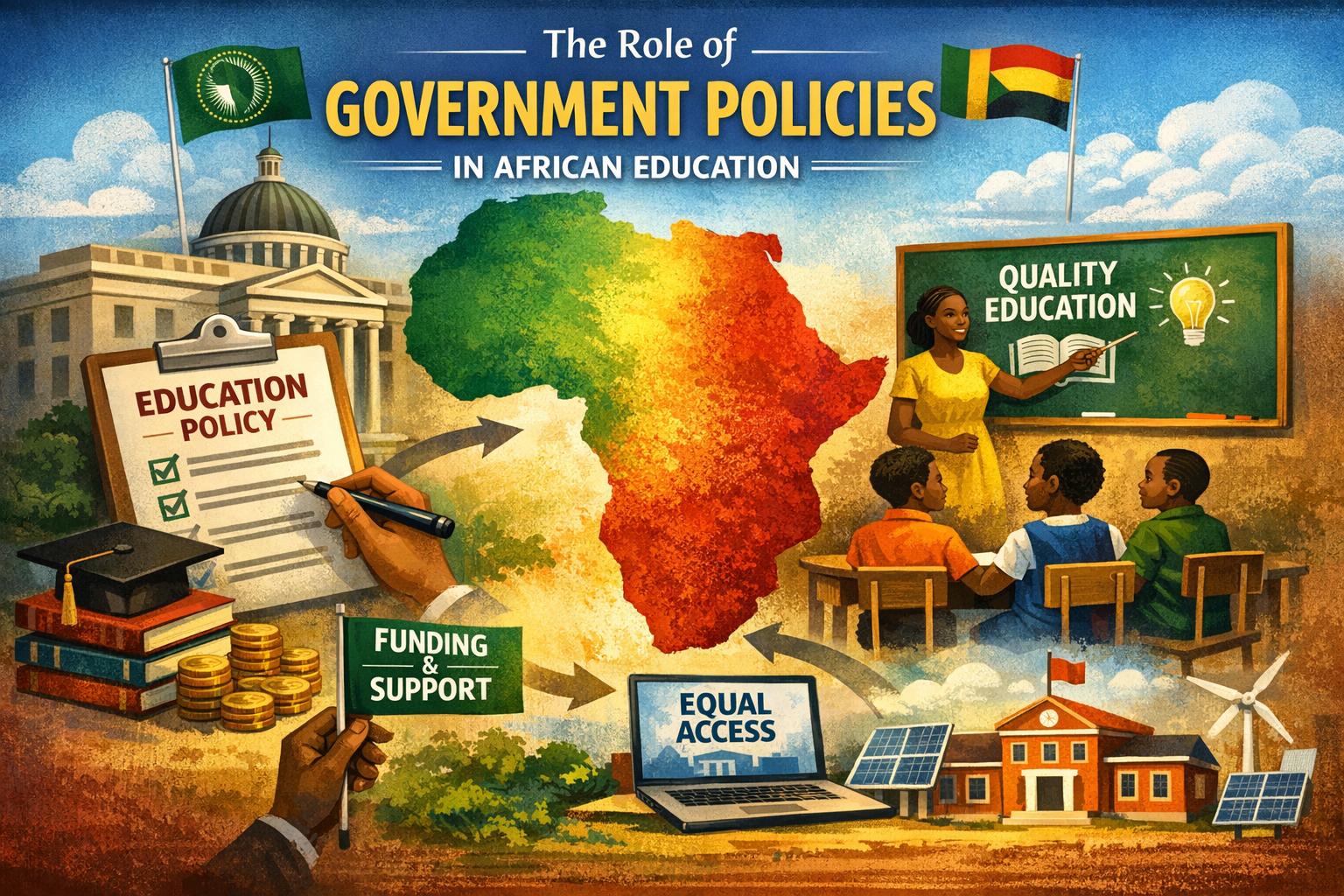
Various African governments and regional entities have implemented reforms aimed at boosting gender equity in education. The African Union’s Continental Education Strategy for Africa (CESA) is one example that includes gender equality objectives. National policies frequently target the elimination of primary school fees, expansion of scholarship programs for girls, and the strengthening of legal measures against early marriage.
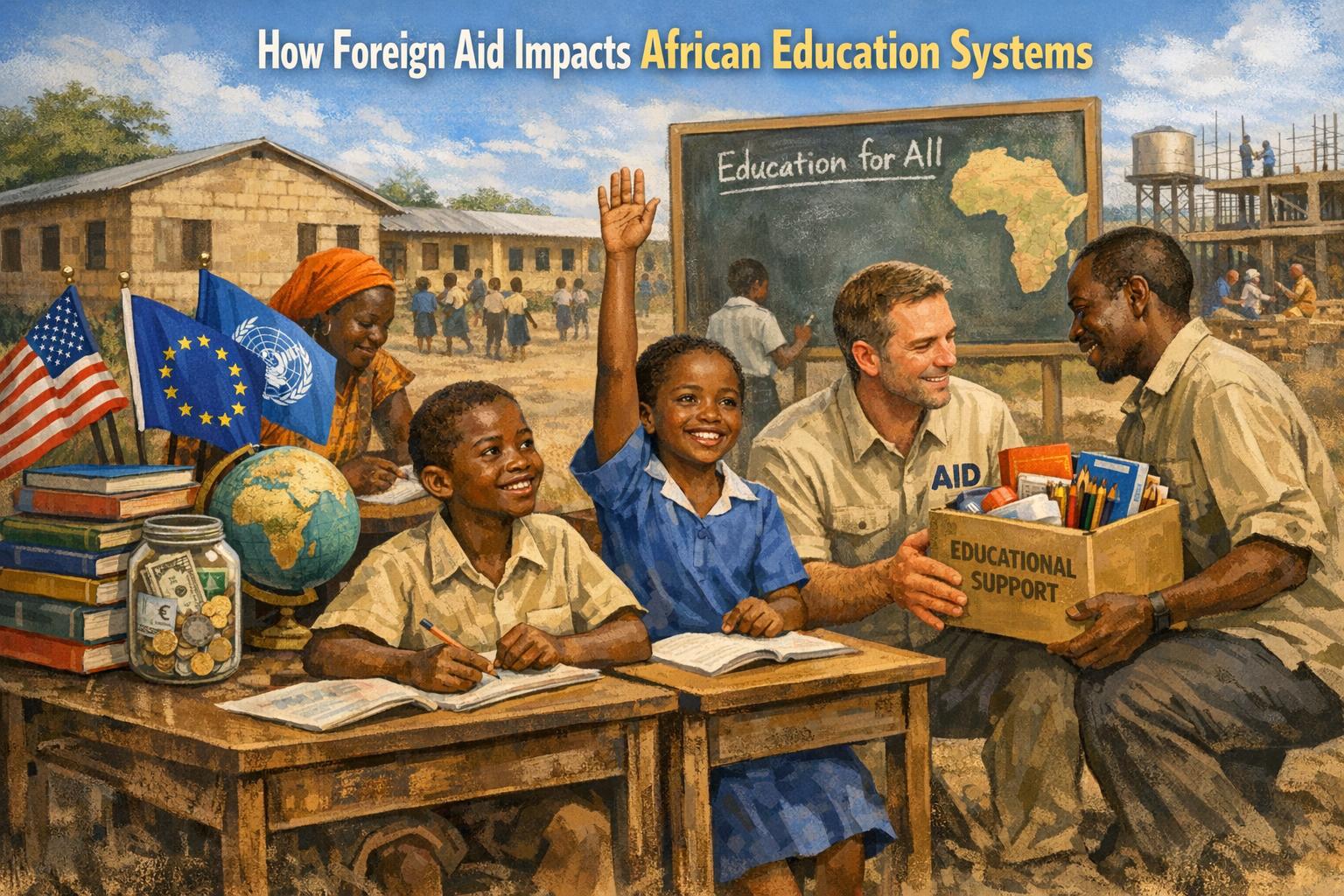
International alliances also lend support through targeted interventions. Conditional cash transfer programs in countries like Malawi and Nigeria show quantifiable improvements in girls’ school attendance. Additionally, teacher training initiatives are increasingly incorporating gender-sensitive pedagogy to tackle classroom biases and gaps in participation.
Ongoing Challenges
Despite measurable improvements in gender equality in education, structural inequalities persist. Factors such as poverty, rural isolation, disability, and conflict often intersect with gender, exacerbating disadvantages for select groups of girls. Climate change-related displacement has also begun affecting attendance patterns in susceptible regions, adding new pressures to already fragile educational systems.
While data collection is becoming more reliable, gaps still exist in tracking completion rates and post-school outcomes. Without consistent measurement efforts, assessing long-term progress becomes challenging. Continual investment in educational infrastructure, teacher development, and the enactment of laws remain central to addressing these disparities.
Gender inequality in education across Africa is therefore not uniform and exhibits variation across the continent. While progress can be noted in some countries, persistent structural barriers continue to pose challenges. The evidence implies gradual progress regarding access to education, but there are ongoing disparities in retention, learning outcomes, and higher education participation rates, signifying that gender parity in education has yet to be fully achieved. However, efforts to address these disparities continue and are critical to realizing a more equitable educational landscape for future generations.