Language plays a central role in education systems across Africa. The choice of language used in classrooms affects literacy rates, learning outcomes, cultural continuity, and social inclusion. Many African countries operate in multilingual environments, where local languages coexist with former colonial languages such as English, French, and Portuguese. The integration of local languages into formal education has become an important policy issue across the continent.
The Linguistic Landscape of Africa
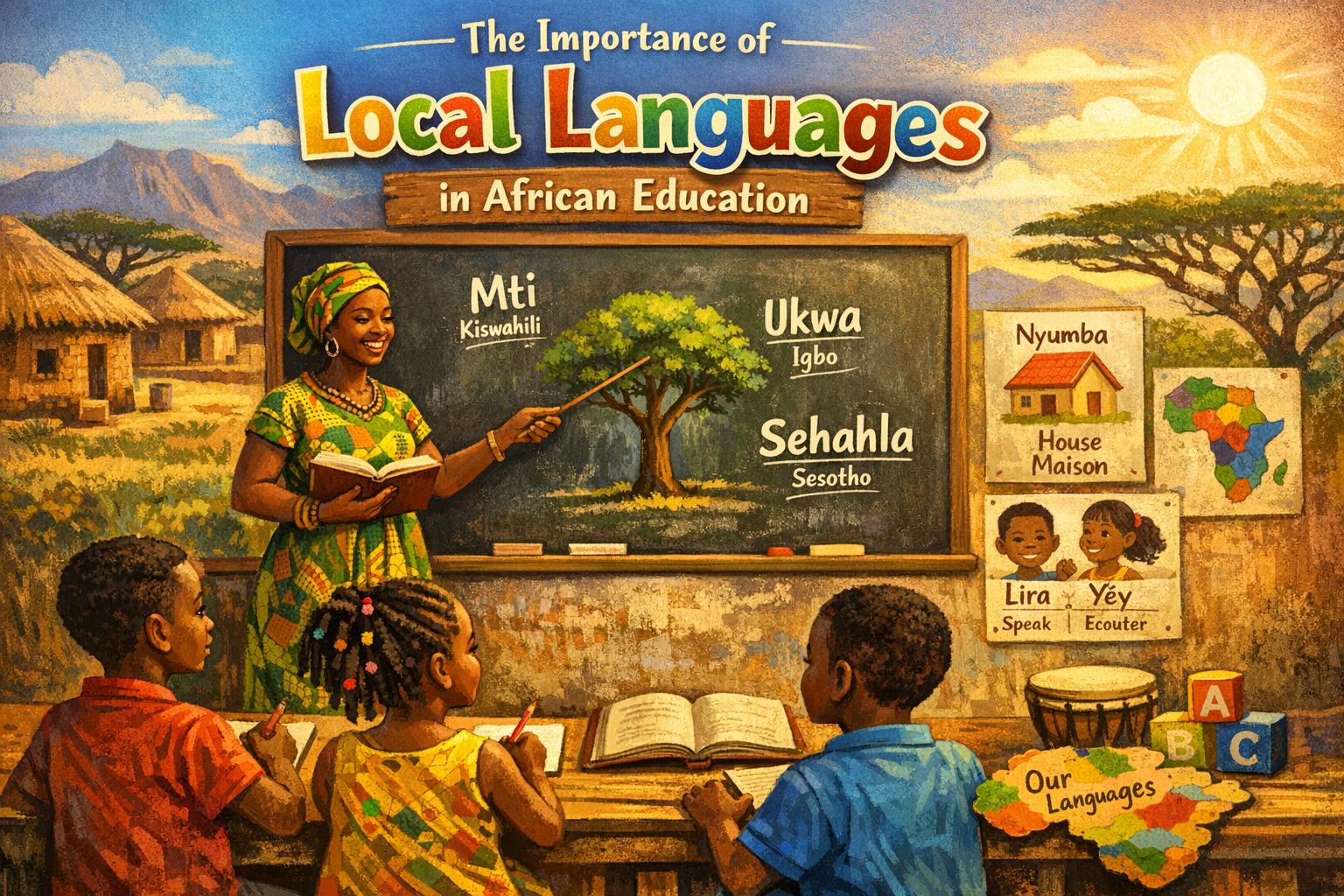
Africa is home to more than 2,000 languages, according to data from UNESCO. This linguistic diversity poses both opportunities and challenges for the education system. In many countries, children begin their schooling experience speaking a local or regional language, but the medium of instruction often shifts to a different official language, which might be one of the colonial languages. Such a transition can create a disconnect between a child’s home environment and school experience, often resulting in barriers to comprehension and learning in the crucial early years of education.
Research in language acquisition points out that skills such as reading and numeracy are acquired more effectively when taught in a child’s first language. Comprehending educational material in an unfamiliar language can be a daunting task for young learners. This can sometimes result in frustration, loss of interest in schooling, and ultimately adverse learning outcomes.
Organizations like the African Academy of Languages (ACALAN) work towards promoting the development and use of African languages in various domains including education, governance, and public life. These efforts are aimed at strengthening linguistic diversity and improving access to quality education.
Impact on Literacy and Learning Outcomes
Several studies, including those conducted by the World Bank, have shown the positive effects of mother-tongue instruction in the early grades on learning outcomes. It has been found that when learners are introduced to new concepts in a language they are familiar with, their ability to grasp the subject matter increases significantly. This foundational understanding is crucial before transitioning to additional languages for more advanced learning.
The use of mother tongue in teaching not only boosts reading comprehension but also reduces the rates of repetition and dropouts in schools. By understanding lessons better, students can progress at a standard pace resulting in fewer disruptions in their educational journey.
Pilot programs in several African nations have illustrated the potential success of bilingual or multilingual education models. These models manage to support both the development of local languages as well as proficiency in more globally recognized languages. The importance of global languages, for economic and diplomatic purposes, is recognized alongside the need to root education in the local linguistic context.
Cultural Preservation and Identity
Language is not just a communication tool but is profoundly tied to cultural knowledge and identity. Schools that incorporate local languages into their education system facilitate the transmission of indigenous knowledge systems and historical narratives that are otherwise at risk of being lost.
The incorporation of local cultural elements into the curriculum can affirm the cultural identities of students. This, in turn, increases classroom participation and fosters a more inclusive educational environment. When students see their language and culture being valued in educational settings, it fosters a sense of pride and belonging.
Education in local languages does not imply a withdrawal from global engagement. Rather, it equips students with the ability to navigate both local and global contexts with ease. Students proficient in multiple languages have improved cognitive abilities and broader communication skills, enhancing their personal and professional development in an interconnected world.
Policy Challenges and Implementation
While many African countries have made policy commitments towards integrating local languages into education systems, the implementation has varied widely. Challenges include the lack of adequate teaching materials in local languages and insufficient teacher training pertinent to bilingual or multilingual education strategies.
Debates over language standardization and the development of orthographies further complicate the issue. Harmonizing different dialects to create standardized teaching materials is a complex task that necessitates extensive linguistic research and institutional support.
There is also the matter of balancing resource allocation, as producing educational materials in multiple languages can be resource-intensive. However, while the upfront costs might be significant, the long-term benefits in terms of reduced repetition and higher completion rates could offset these expenses. The educational reforms focusing on language integration are a long-term investment in the socio-economic future of the continent.
Future Directions
The future of education systems in Africa appears to be, and will likely remain, multilingual. Effective educational models are often grounded in mother-tongue instruction in the earliest grades. As students progress, additional languages – be they national or international – are gradually introduced. This phased approach aligns well with established research on bilingual education and cognitive development.
The significance of embracing local languages in African education stems from not only cultural considerations but also measurable academic outcomes. The continued investment in the development of curricula, teacher training programs, and linguistic research will significantly shape how education systems across the continent manage linguistic diversity in the coming decades. As these changes gradually take shape, they will have enduring impacts on literacy rates, cultural preservation, and cohesive socio-economic development across Africa.