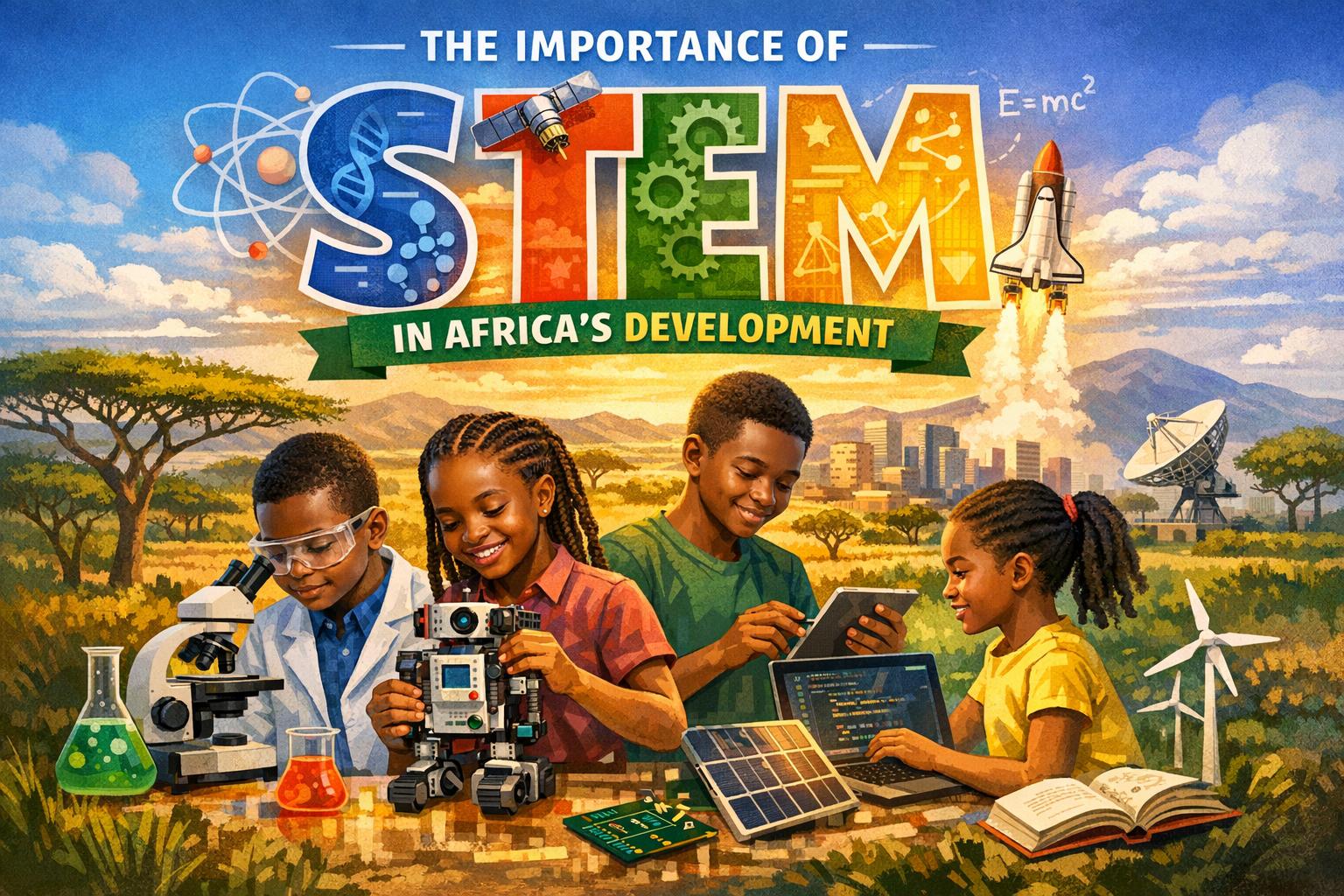
The Role of Technology in Transforming African Education
The integration of technology within African education systems represents a pivotal shift towards enhancing accessibility, improving learning experiences, and nurturing innovation. As nations across the continent pursue socio-economic progress, the role of technology emerges as especially significant in addressing educational challenges and bridging existing disparities. The following sections elaborate on these facets in detail.
Access to Education
A fundamental impact of technology in African education is the broadening of access. Many regions in Africa struggle with inadequate traditional educational infrastructure due to economic limitations and geographical obstacles. However, digital platforms and mobile technology have begun to bridge this gap, enabling educational content to reach remote and underserved areas. This expansion of access is particularly essential for promoting equality in education across diverse locales. Projects like Cambridge University Press’s digital resources serve as leading examples of initiatives dedicated to the democratization of learning, offering tools and materials that are increasingly making education more accessible to a wider audience.
Enhancing Learning Experiences
Another crucial advantage of technology in education is the enhancement of the learning experience for both students and educators. Interactive platforms and multimedia tools offer personalized learning environments that can cater to various learning styles, simplifying the process of understanding complex concepts. Such environments permit a more immersive and comprehensive engagement with educational material. Online courses and virtual classrooms further expand the opportunities for learners, granting access to an extensive array of subjects and experts from around the globe. A pioneering platform in this context is the Khan Academy, which provides free and accessible learning experiences across a broad spectrum of disciplines and varying educational levels. This allows students to tailor their learning paths to fit their interests and career goals, empowering them to acquire knowledge and skills relevant to their aspirations.
Professional Development for Educators
For educators, technology delivers indispensable resources for continued professional development. Online training programs, webinars, and digital resources offer teachers the opportunity to stay current with emerging pedagogical strategies and the latest updates in content knowledge. An example of such collaboration between educational institutions and technology providers is the Microsoft Education program, which equips teachers with the skills to seamlessly integrate new technologies into their teaching methodologies. Such initiatives emphasize the importance of empowering educators with the tools and knowledge necessary to effectively utilize technology in classrooms, thereby fostering an informed and adaptive teaching workforce.
Data-Driven Insights
The application of educational technology also facilitates the collection and analysis of data, enabling evidence-based decisions to enhance education standards. This data-centric approach allows for the in-depth understanding of students’ learning patterns and outcomes, empowering educators and policymakers to adapt curriculum designs and teaching methods to better satisfy learners’ needs. Data-driven insights pave the way for crafting personalized education systems, enhancing the effectiveness and reach of teaching strategies across the continent.
Challenges and Considerations
Despite the multitude of benefits, the integration of technology in African education systems is not without its challenges. Issues such as limited internet connectivity in rural areas, the high cost of technological devices, and inadequate digital literacy skills pose significant hurdles. Overcoming these barriers necessitates collaborative efforts amongst governments, technology companies, and non-profit organizations. It requires the development of sustainable solutions that ensure equitable access to technological innovations across the continent, regardless of socio-economic status or geographic location. Addressing these challenges is essential to prevent these same technological advancements from inadvertently exacerbating existing disparities.
The Future of African Education
The future of African education is undeniably intertwined with technological development. As technological infrastructure continues to improve and becomes more broadly available, there is an imperative need for all stakeholders—including government bodies, educational institutions, and private sector partners—to invest in and encourage these innovations. By fostering a shared commitment to the responsible integration of technology, Africa can enhance its educational landscape, promoting inclusiveness and efficiency. The successful alignment of educational policies with technological progress holds the key to unlocking the continent’s potential, leading to improved educational outcomes and ultimately contributing to greater social and economic prosperity.
In conclusion, the transformative potential of technology in African education is vast and varied. Through strategic implementation and collaborative efforts, technology can offer solutions to some of the most pressing educational challenges, paving the way for a more equitable and dynamic educational environment in Africa. The journey towards technological integration in education calls for continuous innovation and a unified vision to ensure that all individuals, regardless of background, have the opportunity to benefit from quality education that launches them toward a promising future.